

22-09-2026
Types of Ports in Shipping and Their Facilities, Must Know!
By Chandra Asri Group Editorial Team
Key Takeaways:
- There are various types of ports categorized by location and purpose, such as public ports, seaports, collector ports, dry ports, and more.
- Every port must have infrastructure and facilities to support maritime logistics activities, including cranes, terminals, repair workshops, and other equipment.
- Ports and terminals are distinct: a terminal is a component of a port specifically dedicated to loading and unloading cargo.
Types of ports in shipping are categorized by their governing authority, location, purpose, and size because each type may require specialized port infrastructure and cannot accommodate all types of vessels. In this article, you will learn about the different types of ports and their facilities. Read on to learn more.
Types of Ports in Shipping
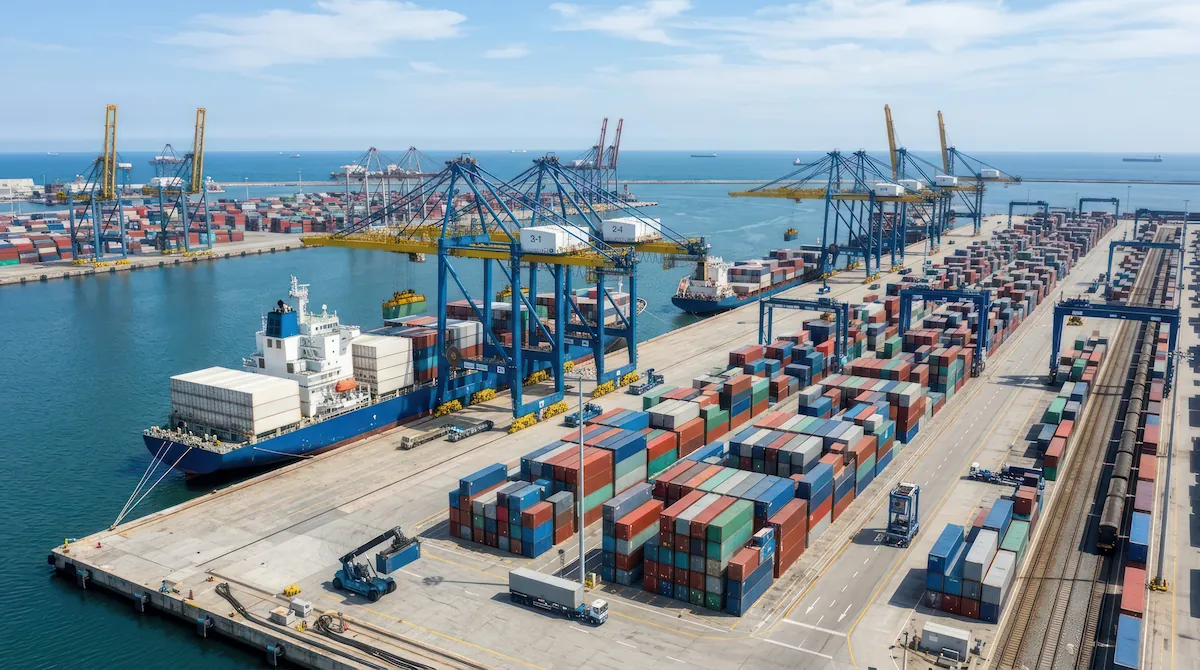
Ports are categorized into various types, such as public ports, feeder ports, dry ports, collector ports, and many others. Here are the details:
1. Public Ports
A public port is managed by a government entity or a business enterprise to serve official inter-island distribution. These ports function as loading and unloading sites, cargo distribution centers, storage facilities, and industrial zones.
One example of a public port operator in Indonesia is PT Chandra Pelabuhan Nusantara (CPN). A subsidiary of the Chandra Asri Group specializing in port and chemical storage solutions, CPN officially secured a Business License for the Operation of a Public Terminal from the Directorate General of Sea Transportation as of September 2026.
This license grants external service users and industrial players access to its port facilities. CPN currently handles loading and unloading of liquid bulk products, including LPG, propylene, and ethylene.
CPN operates three jetties with a combined capacity of up to 80,000 DWT, alongside integrated facilities for liquid bulk product storage and handling.
2. Inland Ports
These ports are built on smaller bodies of water, such as lakes and rivers, to transport both cargo and passengers. Although they are located on smaller waterways, inland ports can also connect to seaports via canal systems.
3. Seaports
As the name suggests, seaports are built along the coast. They often serve as stopovers and loading/unloading hubs for large vessels. Seaports are also key symbols of maritime logistics, connecting business operations across regions and international markets.
Generally, these ports have supporting facilities such as container terminals, jetties, heavy machinery, and warehouses. Seaports are typically divided into three main categories: cruise ports, cargo ports, and ports of call.
Cruise ports handle cruise ship activities, and cargo ports manage cargo circulation, while ports of call serve vessels needing refueling and repairs mid-voyage.
4. Feeder Ports
Feeder ports connect main ports with collector ports, accommodating smaller vessels and handling small-scale maritime cargo operations. They also serve as regional departure and arrival hubs within a single province.
Read also: 7 Port Functions for the Economy and Trading, Must Note!
5. Collector Ports
These ports consolidate cargo from smaller ports for distribution to main ports. Unlike feeder ports that only handle small-scale transport, collector ports can accommodate medium-scale operations. They generally feature storage warehouses, jetties, customs services, and container terminals.
6. Main Ports
Main ports are typically located in major cities or commercial hubs. They have more complete and modern facilities than collector and feeder ports, such as heavy equipment, larger warehouses, advanced navigation systems, immigration services, and logistics hubs.
7. Dry Port
A dry port is an inland port facility not located on a coastline but connected to a seaport via rail or road. It functions as a multimodal logistics hub by facilitating the movement of goods between sea and land. Typically, dry ports are used for importing and exporting cargo while helping reduce potential port congestion at seaports.
Port Facilities
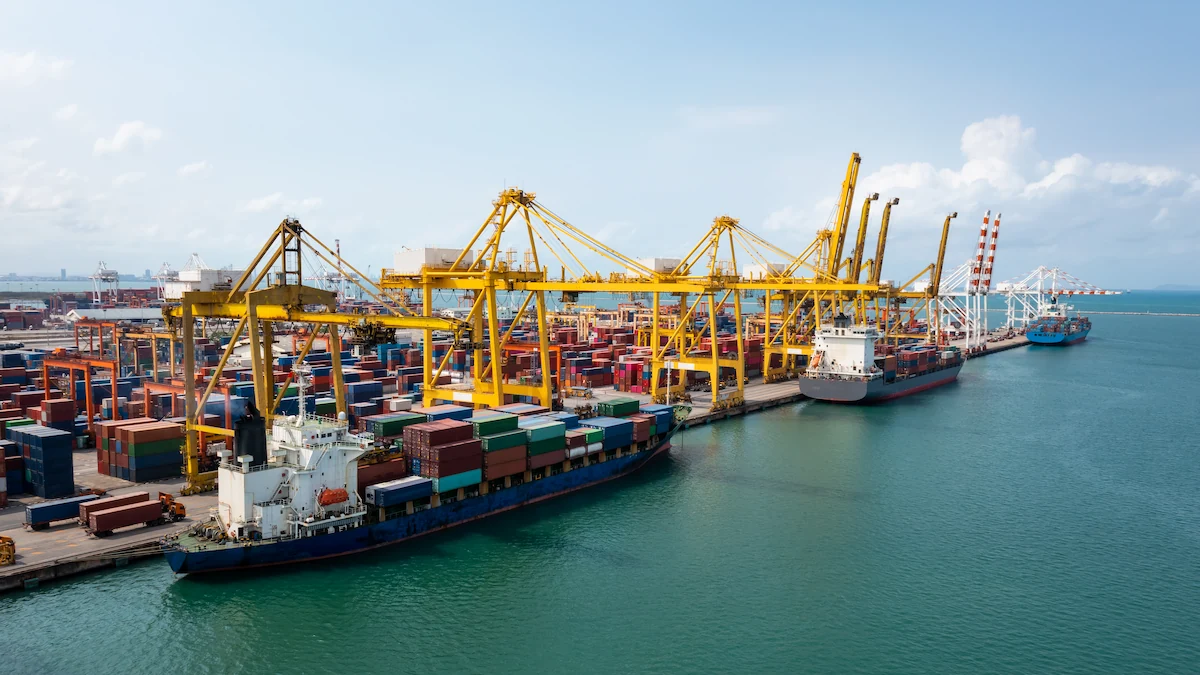
Port facilities can vary depending on their intended purpose. In general, standard facilities include warehouses, administrative offices, loading and unloading infrastructure, equipment, and other supporting amenities. Here are the details:
- Warehousing: Every port has specialized warehouses to store and manage goods.
- Loading and unloading facilities: These include loading/unloading terminals and heavy equipment such as cranes and forklifts.
- Repair workshops: Major ports and logistics hubs must feature repair workshops to fix vessels and supply necessary ship components.
- Supporting equipment: Ports feature docks, equipment storage, vessel holding areas, trucks, dredgers, loaders, and other infrastructure to support operations.
- Other amenities: In addition to core infrastructure, ports typically include restaurants, reception desks, restrooms, healthcare services, customs clearance offices, and administrative facilities.
Read also: Get to Know a Container Port, Its Functions, and Charges
Difference Between Ports and Terminals
Ports and terminals are two inseparable aspects of maritime operations, but they serve different roles. A port is strategically constructed along a coastline or other body of water to facilitate various maritime logistics activities based on its intended purpose.
On the other hand, a terminal is a specific facility within a port designated for loading and unloading cargo, such as containers. Each terminal is named according to the type of cargo it handles, such as bulk terminals, cargo terminals, chemical terminals, and more.
Trust Your Port and Chemical Storage Solutions to Chandra Asri Group
In addition to operating a public terminal, CPN offers supporting facilities for port services and storage, such as:
- Located near refineries and chemical plants, enabling it to accommodate large oil tankers from major chemical companies in the Cilegon area.
- A 35.5-hectare operational area in Cilegon.
- Jetty A for vessels with a capacity of up to 80,000 DWT transporting naphtha, LP propylene, and pygas.
- Jetty B for vessels up to 10,000 DWT transporting ethylene, pygas, raffinate-1, butadiene, naphtha, and PFO.
- 53 tanks with a total capacity of 518,000 m³, which include atmospheric tanks for liquids and pressurized tanks for liquefied gas.
Chandra Asri Group and CPN are committed to delivering top-tier port and chemical storage services across various industries. Make us #YourGrowthPartner and consult your business needs now!
Related Posts: Understanding Breakwater: Definition, Function, and Types

Blow Molding: How It Works, Types, and Materials Used

Customs Clearance: Steps, Documents, and Inspections
