

26-08-2026
A Glimpse of Solar Energy in Thailand: Challenges & Supports
By Chandra Asri Group Editorial Team
Southeast Asia’s clean energy transition is escalating, including Thailand, whose solar energy markets also see an increase. Solar energy in Thailand might be stagnant at first, but backed by government support and decreasing technology costs, solar panels have now become the ace of renewable energy in the nation.
This article discusses the current state of solar energy in Thailand, the challenges, and how the government supports the realization of solar energy. Therefore, read the complete information below.
An Overview of Solar Energy in Thailand
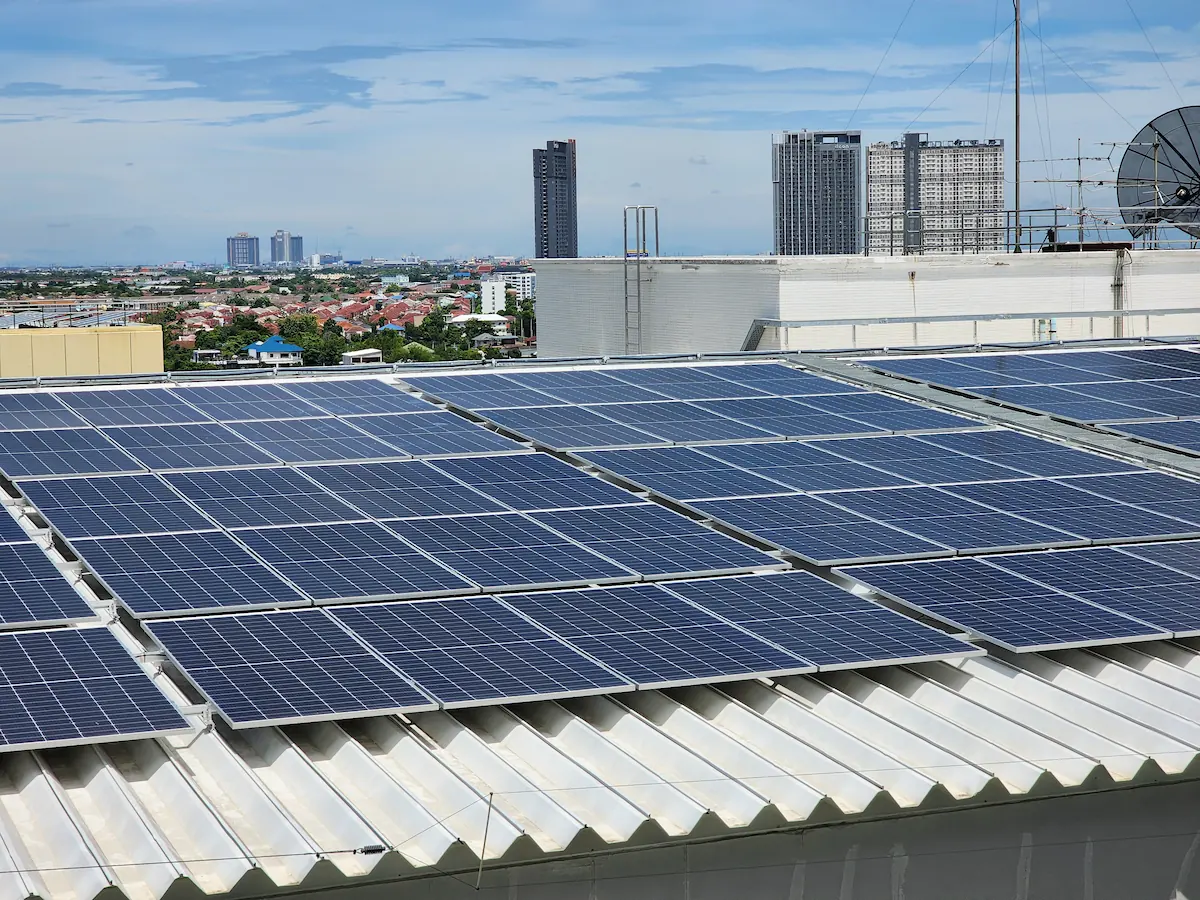
Thailand is among the countries in Southeast Asia that are beginning the transition to solar energy. Yet, the journey was not sleek at first. With less than two megawatts (MW) of installed capacity, Thailand's solar power business was at a halt in 2008. However, the government was beginning to provide incentives for renewable energy providers, and the cost of technology was decreasing.
Also, the country’s concerns over the past decade have changed from depleting domestic gas supplies to figuring out how rapidly it can increase its solar energy capacity. Solar is presently at the center of energy security, trade competitiveness, and rural development due to the 2% annual increase in power consumption and the depletion of local fossil fuel resources.
To achieve net-zero emissions by 2050, Thailand continues to push solar PV as a crucial component of its energy transition, in line with decarbonization and energy security goals.
The good news is that Thailand’s solar PV industry and market continued to expand in 2024, thanks to energy-saving awareness and policy support. This also increases export demand and manufacturing capacity.
In 2024, photovoltaic (PV) panel exports reached about USD 2.1 billion, while panel exports were USD 0.9 billion, according to the International Energy Agency-Photovoltaic Power Systems Programme.
Moreover, Mordor Intelligence reported that the market size of solar energy in Thailand is forecasted to grow to 5.55 gigawatts in 2026 and 7.71 gigawatts by 2031. Renewable energy policy targets, continued tariff pressure, and decreasing PV costs support this increase.
Then, how about the commercial and residential use of solar energy in Thailand? Our World in Data noted that solar energy accounts for 9.9 TWh of the total energy use in the country in 2025. Solar energy also contributed 5.3% of electricity production by source.
Regarding the mechanism, 62.6% of solar farms in Thailand were ground-mounted solar farms. Nevertheless, rooftop solar panels are currently growing rapidly and considerably.
Read also: Renewable Energy in Thailand: Why Does It Matter for Us?
Challenges in Implementing Solar Energy in Thailand
Solar energy faces promising growth in Thailand, especially to support the clean energy transition. However, the implementation is not without challenges. Here are some obstacles you should know:
1. Rooftop Solar Panels Economic Feasibility
Despite having great potential for solar energy in Thailand and technically reducing electricity bills, the initial investment, including the installation and equipment, is considered high for some households. A household may expect a return on investment, but achieving that return typically takes a long time.
The payback period of a rooftop solar installation can be influenced by some factors, including home electricity usage habits, the size and quality of the solar system, and the availability of government support programs. Depending on each household's unique situation, the financial benefits of rooftop solar can differ significantly.
2. Solar Energy Only Works During the Day
Solar panels can only produce electricity during the day when the sun is up. To store extra electricity for later usage or during the night, households may need to purchase battery storage devices. Although battery storage can improve energy flexibility and self-sufficiency, it also raises the total cost of installation, which has an impact on the project's payback duration and economic sustainability.
3. Building Modification and Adaptation
To install a rooftop solar panel, people must modify their house to be suitable for the panel. Also, they must have a roof that is strong enough to sustain the panel system’s extra weight. When assessing the viability of an installation, sufficient roof space and an appropriate inclination for solar exposure are other crucial considerations.
4. End-of-Life Management
Generally, solar panels can work for 25–30 years. After that, the efficiency may deteriorate as time goes by. Eventually, the panels may no longer be effective and will need to be replaced. This creates a growing stream of end-of-life panel waste, which the government and energy companies must proactively manage.
How the Thai Government Supports the Execution of Solar Energy in Thailand
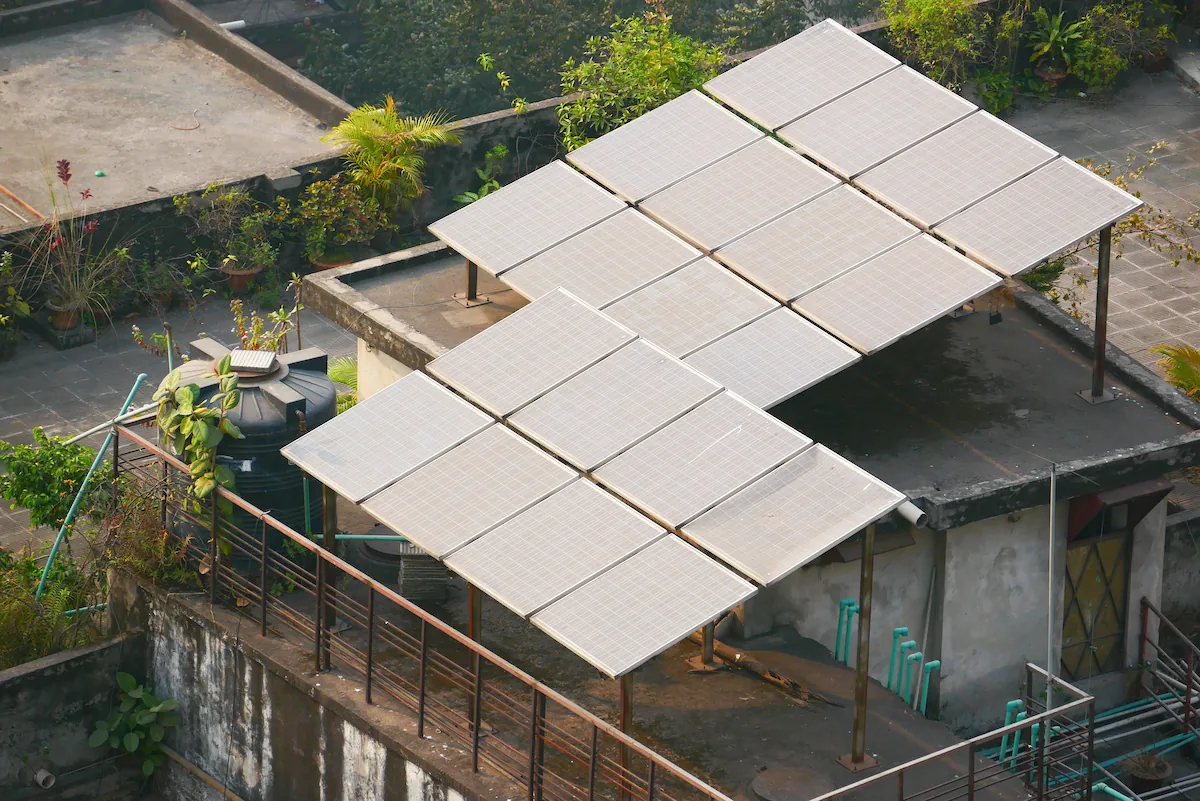
Despite having several challenges, the bright side is that the Thai government is ready to support the public willing to install solar energy at their property. Below are some of the forms of support:
1. Simplifying the Permits and Approvals
The Thai government streamlined the procedure for companies and families looking to use solar energy by issuing Ministerial Regulation No. 72 (B.E. 2568). This law explains the permits, documents, and approvals you need to install solar energy.
2. Tax Incentives
Thai people can claim an income tax deduction of up to THB 200,000 when they install an on-grid solar rooftop system following the qualifications. This tax is regulated in Royal Decree No. 805. Because of this tax cut, solar energy is now more financially appealing to a larger group of people by lowering the initial investment cost.
3. Allowed for Residential, Commercial, and Industrial Uses
Previously, the solar energy permit was for residential installations only. Yet, the renewed rules now apply to commercial and industrial properties too. Moreover, businesses that install larger commercial solar systems will get Board of Investment (BOI) incentives and corporate income tax dispensation. This can scale up the total solar energy capacity in the nation.
Worth reading: Indonesia's Renewable Energy Potential and Challenges
4. Paying for Excess Solar Electricity
Thailand's net billing program pays 2.20 THB/kWh for surplus solar electricity sold to the grid in addition to the tax reduction. During the program’s first phase, the surplus energy from household solar systems will get up to 1.68 THB/kWh (with a 10-year purchase contract). Then, in 2021, it was updated to 2.20 THB/kWh over 10 years (2021–2030).
With this support, the Thai government can move toward the target of a 37% share of renewable energy in 2037, according to the Alternative Energy Development Plan (AEDP).
How Chandra Asri Group Supports Businesses in Southeast Asia for Solar Energy Implementation
Thailand and other countries in Southeast Asia are now facing promising growth for solar energy. This surely can bolster the transition to cleaner energy and achieve the energy target.
Regarding renewable energy support in Southeast Asia, Chandra Asri Group, through its subsidiary based in Singapore, Aster, offers solar innovation and green technologies that empower communities and energy transition. Aster works in a variety of industries, including energy, engineering, fuels, petrochemicals, ports and terminals, specialty goods, and sustainable solutions.
Along with that, Aster also provides building blocks for industry processes, such as styrene, ethylene, and so on.
So, this is the right time to make Chandra Asri Group and Aster as #YourGrowthPartner in energy transition and business operations. Consult your needs with us now!
More to discover: Overview of Chemical Industry and Supplier in Thailand

Blow Molding: How It Works, Types, and Materials Used

Customs Clearance: Steps, Documents, and Inspections
