

28-10-2026
Safety Management Systems: Definition, Pillars, and Examples
By Chandra Asri Group Editorial Team
Key Takeaways:
- Safety management systems (SMS) regulate safety and health in the workplace.
- SMS is crucial because it protects the workers, reduces operational costs, and increases company reputation.
- One of the standards followed in safety systems is ISO 45001:2018.
To ensure worker safety and smooth operations, companies must establish safety management systems, including an OHS policy aligned with workplace risks and hazards.
In this article, you will learn what safety management systems are and why organizations and companies must consider them.
What Are Safety Management Systems?
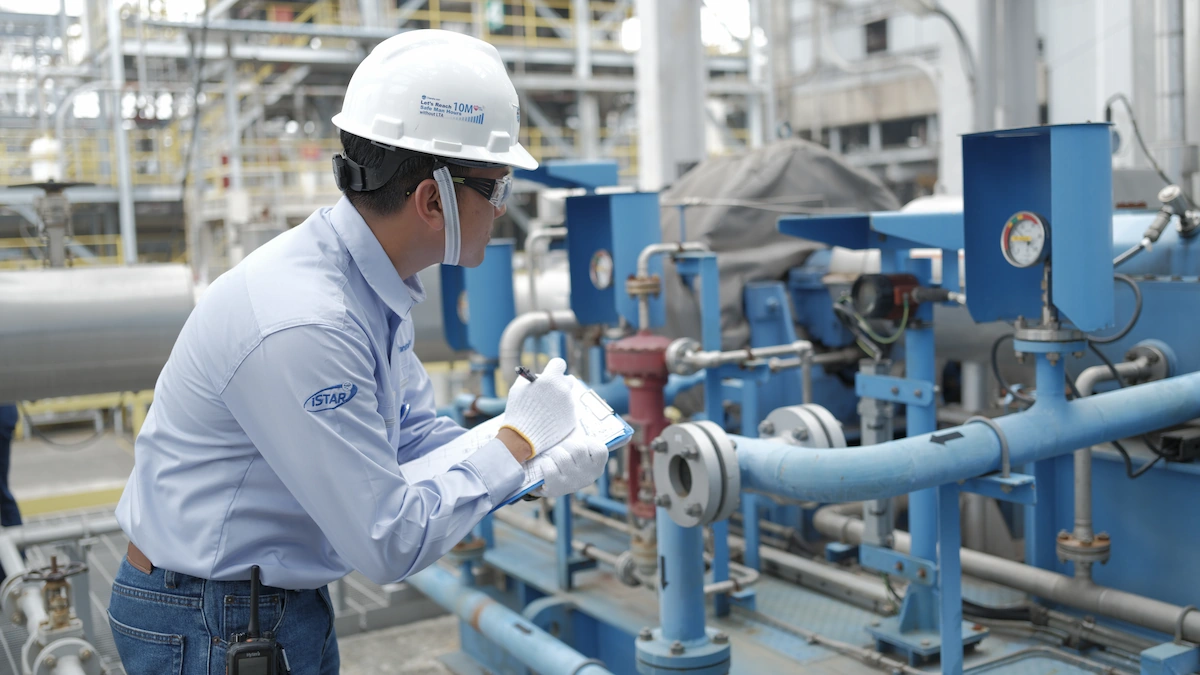
Safety management systems are a series of processes, policies, parties, and procedures for managing the workplace to ensure safety, healthy, and standardized. SMS explains how workers should approach work risks, identify danger in the workplace, train workers, and fix the system over time.
The main objective of SMS is to create a safe workplace and prevent work accidents. Moreover, SMS also guarantees that every activity in the company is examined thoroughly, especially regarding potential hazards, sustainable development, and regulatory compliance.
Every industrial sector may have a different safety management system, as each involves distinct potential hazards and work procedures. For example, energy companies must have a clear emergency response plan since they work with high-voltage systems and hazardous materials.
Meanwhile, the construction sector, which operates in open-space environments (usually near residential areas), must implement work procedures that ensure the safety of both its workers and the surrounding community.
You may also like: What Is Safety Induction & Why Is It Important for a Company?
Why Are Safety Management Systems Important?
There are several reasons why safety management systems are important to companies, such as reducing operational costs, protecting involved parties, and complying with existing regulations. Below is the complete information:
- Protecting the involved parties: Proper SMS protects workers and visitors from potential hazards in the workplace.
- Complying with legal requirements and regulations: SMS is mandatory in companies, especially in high-risk industries like transportation, heavy-duty, and energy sectors. Structures SMS values risk, determines responsibility, and monitors worker’s welfare.
- Preventing incidents: SMS prevents work accidents or losses due to certain incidents, helping decrease operational costs.
- Increasing the company’s reputation: A business prioritizing safety and welfare has a better reputation in front of partners and customers.
Why Must Companies Consider ISO 45001 for Safety Management Systems (SMS)?
ISO 45001:2018 is an international standard for occupational health and safety management systems. This standard is voluntary: companies can obtain certification to confirm that their occupational health and safety management systems comply with ISO 45001:2018.
The International Organization for Standardization (ISO) recommends ISO 45001 for companies that wish to protect workers and other stakeholders, reduce workplace accidents, minimize downtime, foster a culture of workplace safety, comply with occupational safety and health policies, and enhance worker engagement.
In general, ISO 45001 addresses worker participation and leadership commitment; hazard identification; SMS risk assessment; operational controls; emergency preparedness; training, awareness, and competence related to the SMS management system; performance evaluation and monitoring; and continuous improvement.
Companies can use ISO 45001 as a guide to improve their SMS by identifying hazards in the workplace and procedures; reducing risks; improving risk management; involving workers in safety processes; monitoring accidents; and reviewing the system regularly.
Related reading: Work Safety in Oil Refineries: Challenges and Procedures
Safety Management Systems Pillars
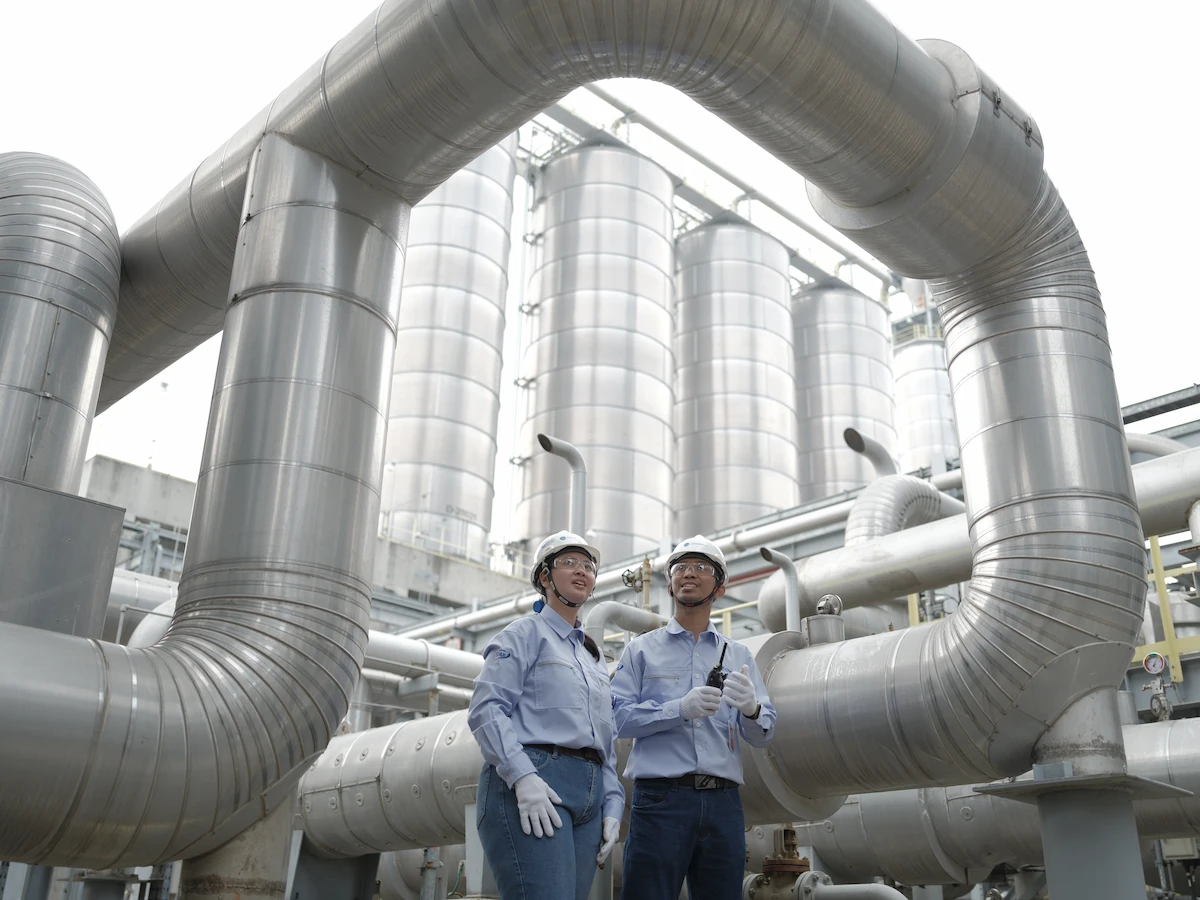
Many companies divide safety management systems into four pillars: safety policy, safety assurance, safety risk management, and safety promotion.
1. Safety Policy
Safety policy emphasizes safety commitment and objectives in the company. These policies, commitments, and objectives must be clearly achievable and boldly established by workers, managers, and the management team.
2. Safety Assurance
Safety policies and systems are not merely implemented once and for all; they must be consistently followed to ensure workplace safety. That is why regular monitoring and safety improvements are necessary. If needed, companies can modify their policies to reflect current circumstances.
Additionally, businesses must offer a platform that enables employees to report mishaps or other hazards for documentation and data collection purposes to be assessed later.
3. Safety Risk Management
Safety risk management includes hazard identification, hazard risk evaluation, and risk control. Dangers can come from anywhere, such as operational processes, the environment, and raw materials. By assessing the risk, you can determine how hazardous it is and how to mitigate or reduce the impact.
4. Safety Promotion
Safety management systems are not only about preventing and lowering hazard potential but also ensuring the work culture in the company supports the implementation. You can achieve this by conducting worker training, maintaining existing systems, and sharing knowledge in the workplace.
“Plan, Do, Check, Act” Approach by ISO 45001
One of the approaches used to improve occupational safety and health is “Plan, Do, Check, Act” by ISO 45001. Here are the details:
- Plan: The company establishes guidelines, policies, and responsibilities related to workplace safety and security. This helps the company identify hazards and address them.
- Do: Implement the plan that has been developed, including hazard identification, risk assessment, and the creation of a safe work environment (such as providing personal protective equipment and implementing safety procedures).
- Check: Conduct monitoring and audits to ensure safety procedures are being followed properly. Revise and update policies based on recent incidents and ensure all employees are properly trained.
- Act: Review safety performance to improve the occupational safety and health approach in the workplace. If necessary, revise and update policies based on recent incidents and ensure all employees, both current and new, are properly trained.
How Does Chandra Asri Group Implement Safety Management Systems?
As a leading Enegy & Chemical, Integrated Infrastructur, and Mobility Solution company in Southeast Asia, Chandra Asri Group implements several safety management system approaches, such as:
- ISO 45001 certified.
- Ensuring zero work accidents.
- Implementing specified training for all employees.
- Highlighting justice in the workplace.
- Implementing OHS-based working principles.
- Adopting an Occupational Health and Safety Management System (SMK3) to prevent work accidents and environmental pollution.
- Building a process for the safety management system (PSM) to prevent disastrous incidents.
- Establishing a Safety, Health, and Environment Regulation (SHE) document.
- Adopting PAUSE (Pause, Assess, Understand, and Share) working procedures to assess and identify hazards.
- Ensuring that all employees wear personal protective equipment (PPE) in the plant area.
That concludes the information about safety management systems and the example in Chandra Asri Group. A safety management system must be established properly by the organization or company to create a safer and healthier workplace.
Worth exploring: Human Resource Development: Functions and Strategies

Blow Molding: How It Works, Types, and Materials Used

Customs Clearance: Steps, Documents, and Inspections