

28-10-2026
Route Optimization: Mechanisms & Difference from Route Planning
By Chandra Asri Group Editorial Team
Key Takeaways:
- Route optimization is a process to determine the most efficient delivery route to ensure that the products are received by the customer safely and on schedule.
- Route optimization gives several benefits for business, from reducing operational costs to increasing drivers’ productivity.
- Route optimization has some differences from route planning, especially in the goals, scalability, and outputs.
Route optimization is among the crucial aspects in trucking logistics; ensuring the fleet arrives at the destination through the most efficient route, either in fuel, schedule, capacity, or time.
This article explains how important route optimization is for business, the advantages, and the challenges. Therefore, read this article thoroughly to learn the information.
What Is Route Optimization?

Route optimization is the process of creating the most efficient, economical, and quick route possible. It enables drivers to cut down on their travel time and is expected to lower operational costs, improve efficiency, and support sustainability.
Modern route optimization analyzes data and several factors to recommend the best route according to the company's needs. Thus, route optimization is not looking for the nearest route but the best route according to driver availability, vehicle load capacity, and other factors.
Then, how does logistics route optimization run? Currently, route optimization uses real-time data and algorithms to identify the most efficient routes. This data is obtained from GPS tracking on vehicles, which provides accurate location information, and telematics systems, which provide vehicle performance data.
This data is collected and analyzed by route optimization software. Some factors considered when analyzing routes include weather forecasts, traffic patterns, driver availability, and road conditions. Many companies use artificial intelligence to help analyze route optimization needs.
Discover more: Logistics Management: Functions, Benefits, & Main Components
Benefits of Route Optimization
Route optimization offers some benefits for businesses, such as improving drivers’ productivity and scheduling, and so on. The complete information is below:
1. Improving Resource Efficiency
Route optimization not only determines the best route but also establishes efficient schedules. Optimal scheduling also allows the service to be more flexible in fulfilling customer needs. This surely affects customer satisfaction.
2. Increasing Customer Satisfaction
An optimized route makes sure that delivery arrives at the destination at the predetermined time, increasing customer satisfaction. When an unexpected delay occurs, the system can warn the customer in real time.
3. Faster Delivery Time
Route optimization regulates location, priority, and distance. By selecting the best and most efficient routes, the delivery can be faster because drivers do not need to weigh up route choices or risk getting lost.
4. Improving Drivers’ Productivity
Drivers will receive daily schedules that do not overburden them. In addition, optimized routes and schedules can enhance the driver experience.
Drivers who frequently encounter poorly planned routes or unrealistic deadlines are at risk of experiencing stress, which can affect their performance. As a result, logical and effective optimization can reduce fatigue and the risk of human error during deliveries.
5. Reducing Operational Costs
Route optimization can also reduce operating costs, including fuel, overtime, and vehicle maintenance costs. Efficient routing can reduce the strain on vehicles, so the fleet is less prone to breakdowns and requires fewer repairs. Drivers can also work their scheduled shifts, which results in reduced overtime costs.
Challenges in Route Optimization
Aside from the advantages for businesses, you must also pay attention to the potential challenges, such as:
- Unexpected factors: Travel can potentially be disrupted by extreme weather, emergencies, or traffic jams. However, modern route optimization systems can generally readjust routes, sparing drivers the need to find alternatives on their own.
- Increasing fleet costs: Fuel price increases become challenges for businesses. By optimizing the route, you can consume less fuel and reduce fleet operational costs.
- Imbalanced workloads: Schedule and workload imbalances could frustrate drivers, which in turn affects their productivity. Therefore, a transportation route optimization system analyzes driver performance and creates schedules based on availability, skills, and location.
- Manual vs. digital planning: Manual planning lacks the flexibility to adapt to rapid changes, which can lead to human errors, such as missed delivery schedules, routes that turn out to be inefficient, and customers having to wait longer due to fleet delays. The use of technology and artificial intelligence reduces the potential for human error, resulting in a more systematic process.
More on this topic: Fleet Management: Pillars, Benefits, & Manager Responsibilities
Route Optimization vs. Route Planning: What’s the Difference?
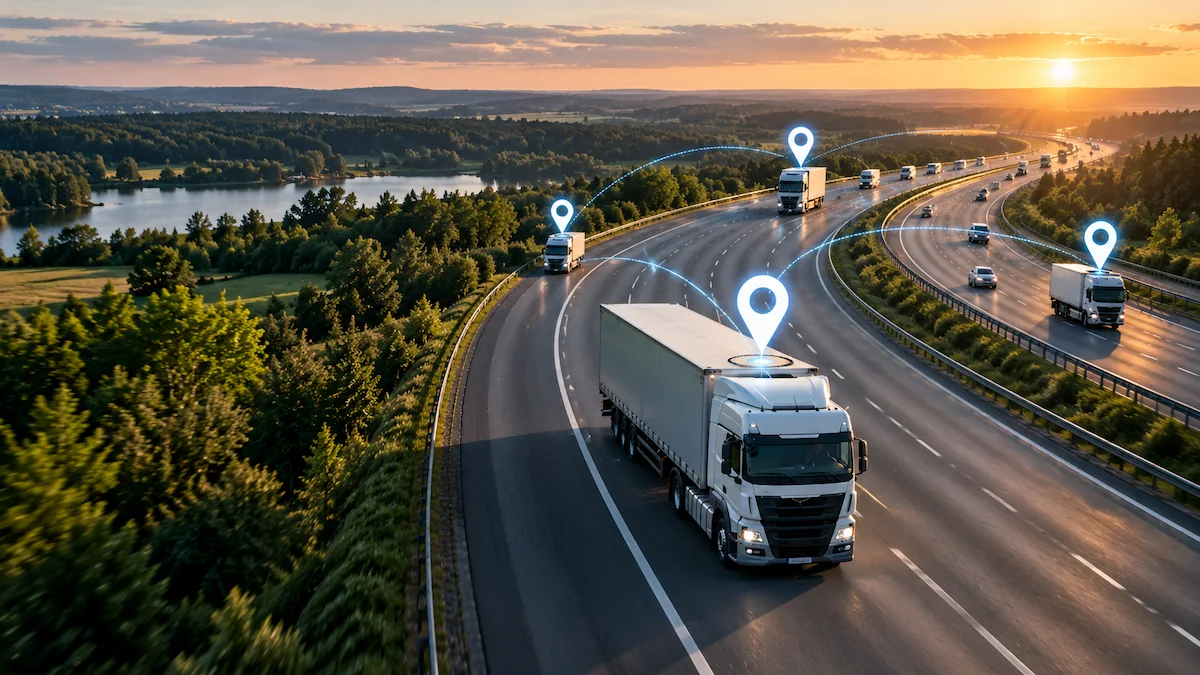
When learning route optimization, you will also see route planning. Despite being correlated to each other, both differ in goals, scopes, and outputs. Here is the complete information:
| Route Optimization | Route Planning | |
| Objectives | Determining the best route by analyzing traffic, driver’s skills, fuel costs, and vehicle capacity.
The goal is to ensure drivers travel on the right and efficient route. | Planning the stops and destinations. It aims to make sure that drivers visit the right customers or locations on schedule. |
| Considered variables | Road conditions, vehicle specifications, travel time, and drivers’ condition or competence. | Departure location, destination, distance, and stops. |
| Adjustment dynamics | The system automatically adjusts the route due to changes. | The information must be edited manually, like editing the customer’s address. Yet, this rarely happens. |
| Outputs | Creates the most efficient and cost-effective routes. | A group of routes that can be traveled by the right fleets. |
| Scalability | Ideal for businesses with large fleets and diverse routes and destinations. | Ideal for businesses that use only one fleet for a single route. |
Optimize Logistics Operational Process with #YourGrowthPartner!
Efficient transportation is the dream of many businesses, as it can save costs and boost productivity. Therefore, it is crucial to choose the right logistics partner, especially for chemicals that require special handling.
Chandra Asri Group, as a leading Energy & Chemicals, Integrated Infrastructure, and Mobility Solutions company in Southeast Asia, provides land-based logistics solutions managed by one of its subsidiaries, PT SCG Barito Logistics (SBL). SBL operates a fleet of more than 200 trucks of various types to meet customer needs.
SBL’s truck fleet is equipped with GPS trackers and in-cab cameras, which help maximize route optimization. SBL also utilizes a Logistics Command Center to enhance communication and monitor cargo shipments.
SBL can tailor delivery plans based on your needs, the appropriate mode of transportation, and the most efficient route optimization to ensure effective deliveries. So, plan your company’s logistics operational needs and consult with us today!
Related reading: What’s a Shipping Instruction and Its Function in Logistics

Blow Molding: How It Works, Types, and Materials Used

Customs Clearance: Steps, Documents, and Inspections
