

02-10-2026
Renewable Energy in Southeast Asia: Potential and Challenges
By Chandra Asri Group Editorial Team
Key Takeaways:
- Renewable energy in Southeast Asia sees outstanding potential thanks to the abundance of sunlight and government support.
- Yet, the implementation of renewable energy also comes with challenges, such as high initial costs and inadequate infrastructure.
- There are many efforts that SEA can take in implementing renewables, from policy improvement to technology advancement.
Transitioning to renewable energy has become a crucial target for many countries, including those in Southeast Asia. The good news is that renewable energy in Southeast Asia is seeing remarkable development.
This article talks about the potential, progress, challenges, and opportunities of renewable energy in Southeast Asia. Read this article until the end to learn more.
Renewable Energy Potential in Southeast Asia
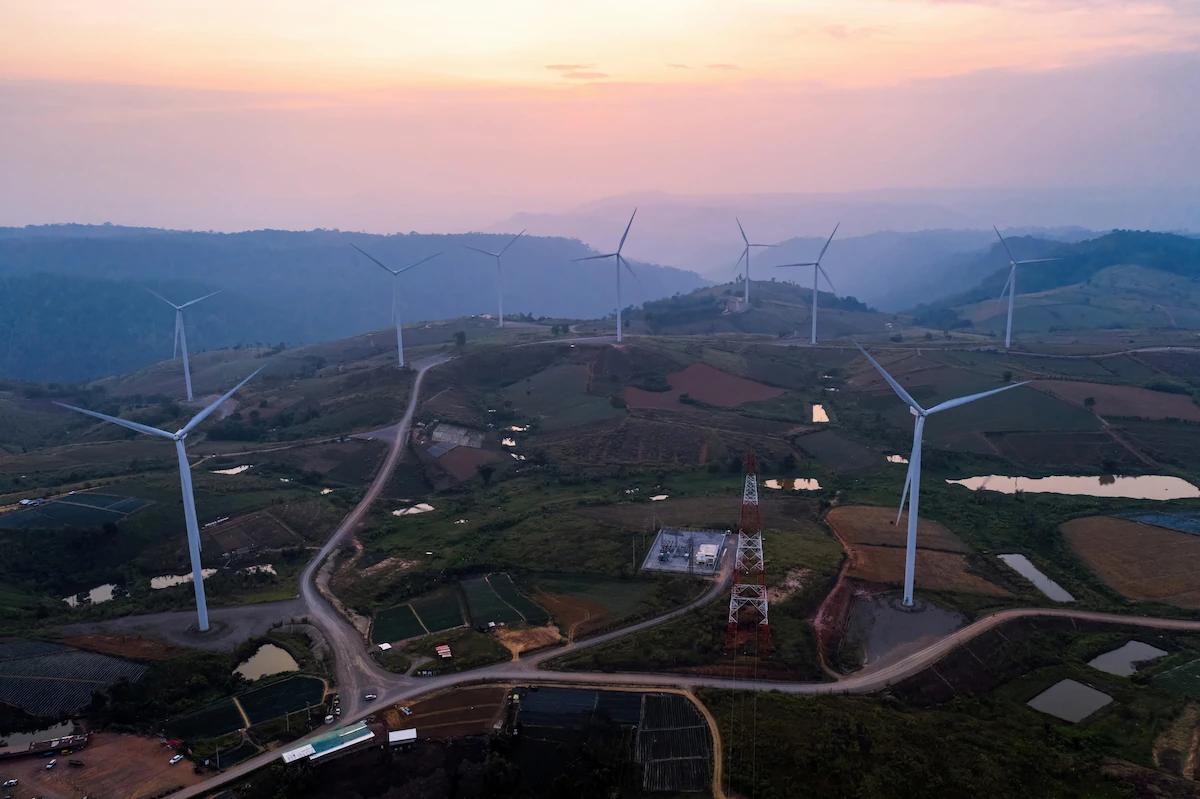
Southeast Asia (SEA) experienced ongoing urbanization and industrialization, along with a growing population, which is increasing electricity and energy demand in the region. The International Energy Agency (IEA) noted that electricity demand rose by 7% in 2024, nearly double the global average.
On the plus side, SEA countries are also shifting to renewable energy, diversifying energy supply. The Asian Development Bank (ADB), in its report, stated that SEA is already in a good position to meet the demand for clean power segments, as it has produced 9%–10% of the global solar photovoltaic (PV) modules and cells.
Furthermore, by 2030, the low-carbon mobility and clean electricity sectors in Southeast Asia are expected to generate between USD 90 billion and USD 100 billion in revenue. ADB also added that SEA has the potential to achieve a solar PV module capacity of 125–150 GW by 2030.
Along with solar energy, renewable energy in Southeast Asia also includes hydropower and wind as major clean energy sources in the region. The International Energy Agency (IEA) explained that hydropower generation in SEA increased to 255 TWh in 2024, with an installed capacity of 60 GW. Hydropower plays a significant role in Myanmar, Vietnam, Laos, Malaysia, Indonesia, the Philippines, and Cambodia. Moreover, wind generation rose to 18 TWh in 2024, with Vietnam as the major producer in SEA.
To support renewable energy initiatives, ASEAN has advocated the ASEAN Plan of Action for Energy Cooperation (APAEC) 2026–2030, a strategy plan to direct the next stage of regional energy cooperation. The 10 ASEAN Member States (AMS) set various targets for 2026–2030, namely:
- Achieving a 30% share of renewable energy in total primary energy supply.
- Achieving a 45% share of renewable energy in installed power capacity by 2030.
- Attaining a 40% reduction in energy intensity based on total primary energy supply by 2030.
Read also: A Glimpse of Solar Energy in Thailand: Challenges & Supports
Challenges and Opportunities in Implementing Renewable Energy in Southeast Asia
Despite having great potential for renewable energy, it is undeniable that it also comes with several challenges, such as annual investment, infrastructure constraints, and regulatory complexity. Yet, it also comes with opportunities that can be leveraged. Below is the complete information:
Challenges:
- ASEAN needs an annual investment of over USD 200 billion to stick to the plan for 2030.
- Inadequate grid infrastructure, including the technology, interconnectivity, and skilled workforce, especially in remote areas.
- Unpredictable energy tariffs in several parts of Southeast Asia can reduce investor profitability and affect financial feasibility.
- Complex regulations, including complicated approval, land acquisition, and remuneration.
Opportunities:
- As a tropical region, SEA has an abundance of sunlight, making it suitable for solar panel development.
- Some SEA countries, such as Thailand, give incentives to support the transition to renewable energy.
- ASEAN members can execute cross-border energy trade to meet their renewable energy needs.
- Many companies in SEA are moving to achieve sustainability goals, thus supporting and investing more in renewable energy development.
You may also like: Energy Solutions for Singapore: How It Secures Energy Supply
What Should Southeast Asian Countries Do to Actualize Renewable Energy Transition?
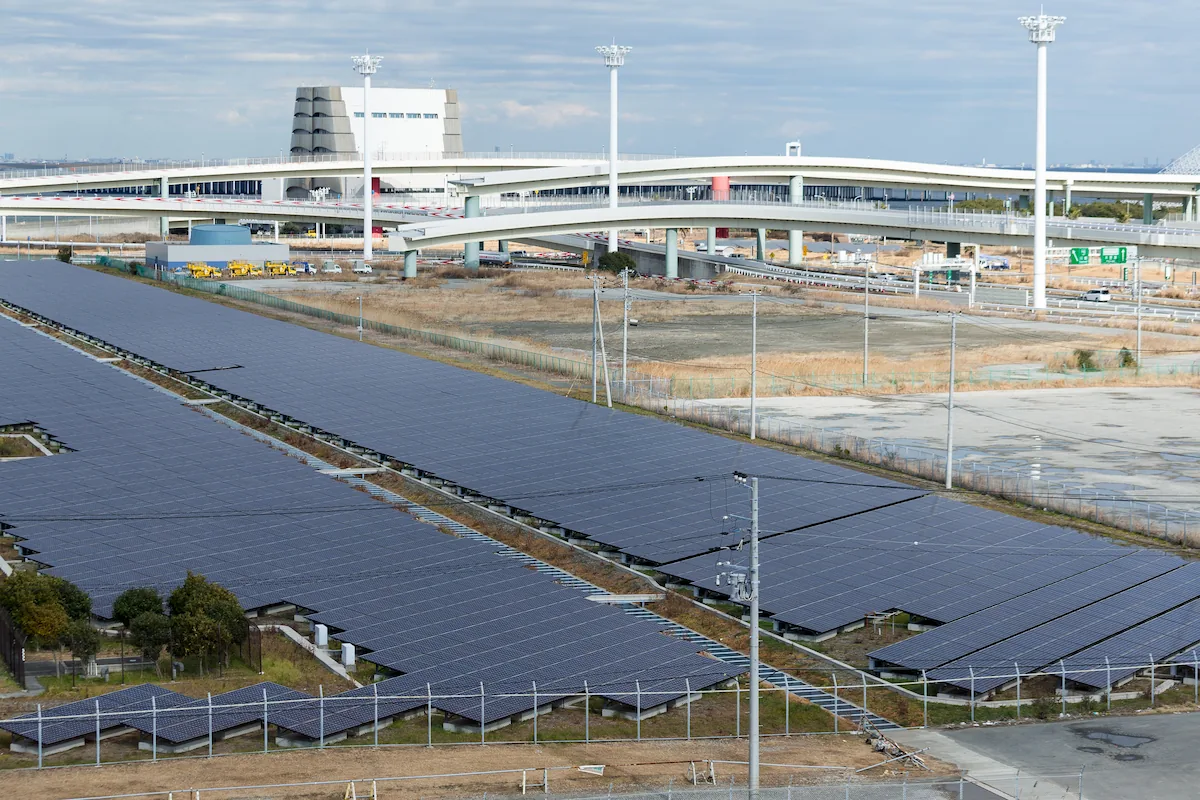
To determine what steps need to be taken, we need to look at the readiness of each country in Southeast Asia. The readiness level is examined according to the regulatory measures and technical implementation supporting variable renewable energy integration. The level portrays their preparedness for the market, operation, and grid infrastructure, and every country has a different approach based on the readiness level.
As reported by the International Energy Agency (IEA), the readiness levels are categorized into three: early-stage readiness, mid-stage readiness, and high-stage readiness.
1. Early-stage Readiness Countries
Including Myanmar, Brunei, Cambodia, and Laos, these countries should prioritize fundamental measures in the near term, including efficiency laws, grid rules, forecasting rules, and coordinated planning. Early-stage countries could take several actions, such as:
- Enact laws that incorporate energy efficiency criteria and demand response readiness,
- Set ambitious variable renewable energy targets and policies to encourage investment.
- Establish grid codes that ensure secure variable renewable energy operation and regulatory compliance.
- Improve variable renewable energy prediction and real-time visibility.
- Coordinate utility grid planning with government policy targets to address growing demand and evolving supply conditions.
2. Mid-Stage Readiness Countries
Including Malaysia, Indonesia, Vietnam, and Thailand, these countries can strengthen grid flexibility through improved procurement, investment, infrastructure, and system planning. Here are some actions that can be taken:
- Streamline policies and regulations to encourage investment in various flexibility resources.
- Streamline variable renewable energy and locations with grid development.
- Boost infrastructure to maximize grid use.
- Improve power plant flexibility and overhaul existing plants.
3. High-Stage Readiness Countries
High-stage readiness countries, including the Philippines and Singapore, must prepare for system transformation, scalable and modular grid components, real-time operation, and aligning power system development with decarbonization goals.
Moreover, these countries must work on streamlining the permission process and reforming regulations and markets that can support grid investment.
Chandra Asri Group Is Ready to Support the Implementation of Renewable Energy in Southeast Asia
As a leading energy and chemical, integrated infrastructure, and mobility solution company in Southeast Asia, Chandra Asri Group, through its Singapore-based subsidiary, Aster, develops solar innovations and green technologies supporting communities and accelerating the transition toward a more sustainable energy future.
Aster also operates across a diverse range of sectors, including energy, engineering, petrochemicals, fuels, specialty products, ports and terminals, and sustainable solutions. In addition, Aster supplies essential materials for various industrial processes, including propylene, HDPE, and other chemical products.
Let’s collaborate to make renewable energy in Southeast Asia stronger! Make us #YourGrowthPartner in renewable development and consult your energy needs with us!
More to explore: Indonesia's Renewable Energy Potential and Challenges
Frequently Asked Questions (FAQ)
Below are some questions regarding renewable energy:
1. What Country Uses the Most Renewable Energy?
According to Statista, China is a leading country in installed renewable energy capacity globally (2025), with 2,258.02 GW of installed renewables.
2. What Are 7 Renewable Energy Sources?
Renewable energy includes solar, wind, geothermal, hydropower, biomass, biofuels, and tidal energy.

Blow Molding: How It Works, Types, and Materials Used

Customs Clearance: Steps, Documents, and Inspections
