

06-10-2026
Post-Industrial Recycled Material vs. Post-Consumer Recycled Material
By Chandra Asri Group Editorial Team
Key Takeaways:
- Post-Industrial Recycled Material (PIR) is manufacturing waste that has been reprocessed into raw materials.
- Post-Consumer Recycled Material (PCR) is recycled material derived from end-consumer products that have reached the end of their useful life.
- PIR and PCR differ in terms of origin, quality, and homogeneity.
Post-Industrial Recycled Material (PIR) and Post-Consumer Recycled Material (PCR) are two types of recycled materials commonly found in the supply chain. However, they differ in terms of origin, quality, and homogeneity. Therefore, read this article to learn about the differences between the two.
What Is Post-Industrial Recycled Material (PIR)?
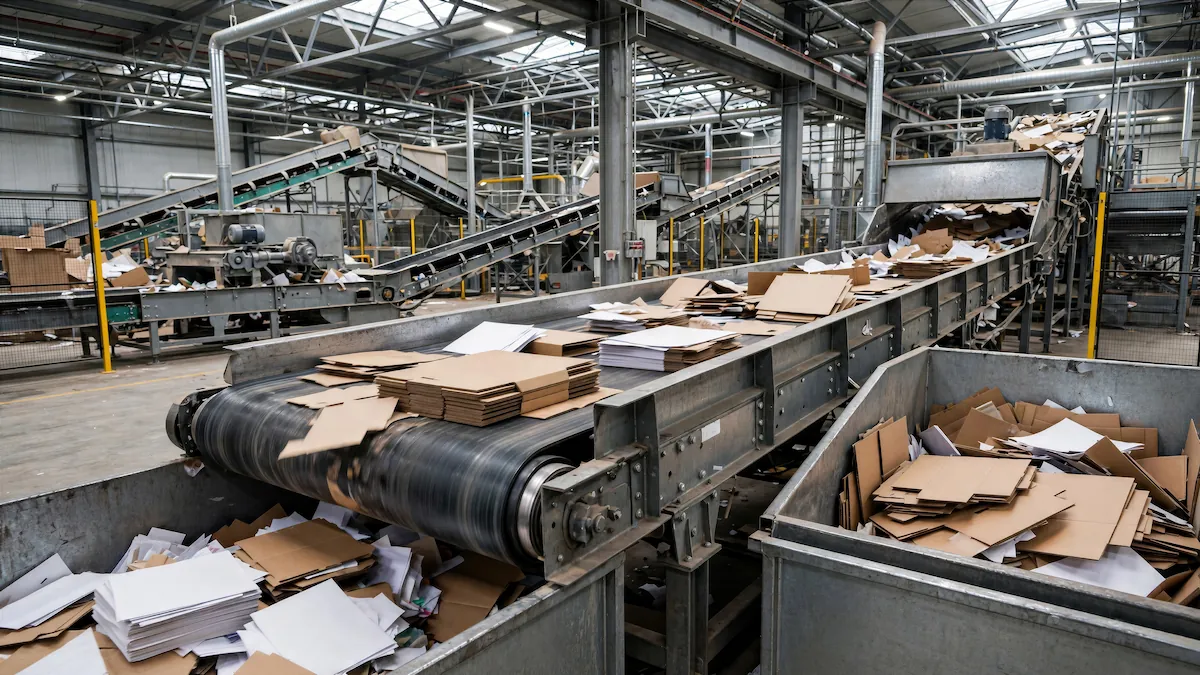
Post-Industrial Recycled Material (PIR) refers to residues generated during the manufacturing process, such as scrap or shavings, which are reprocessed into raw materials.
For example, the production of bottle caps may generate plastic scraps trimmed from the product, while precisely shaped bottle caps are sent on to the next stage of the process.
These plastic shavings and scraps are collected, remelted, formed into new plastic pellets, and used as raw material for new plastic products. This recycled raw material is referred to as post-industrial recycled material.
PIR is also known as pre-consumer recycled material because the raw material is obtained from recycling materials before they reach the consumer. In addition, you may also come across the term “post-industrial recycled plastic," which refers to residues from the plastic manufacturing process that do not reach the end consumer.
Although it is a recycled material, PIR still maintains good quality and can be reused. By recycling these production scraps, you can create a more sustainable manufacturing process with minimal waste.
Related article: 9 Plastic Waste Processing Solutions, Effective and Safe!
What Is Post-Consumer Recycled Material (PCR)?
Post-Consumer Recycled Material (PCR) is recycled material derived from products that have been used and discarded by end users. Examples of PCR include empty plastic bottles, used cardboard, used cans, and others.
These items are collected by recycling facilities or waste banks and sorted by type. Then, the waste is crushed or melted down to be turned into new raw materials.
You may also come across the term “post-consumer recycled plastic," which refers to plastic packaging or products that have reached the end of their useful life and are recycled into raw materials for new plastic products.
Differences Between Post-Industrial Recycled Material and Post-Consumer Recycled Material
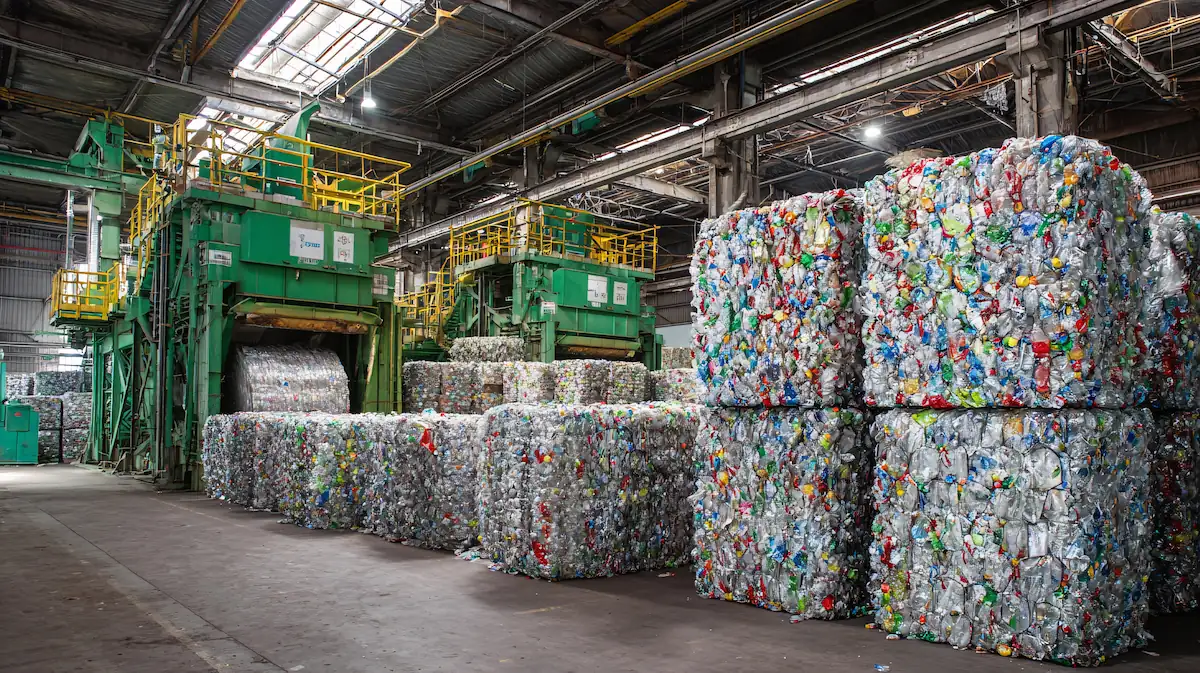 PIR and PCR have several differences, such as in the origin of the materials, quality, and homogeneity. Here is a detailed explanation:
| Post-Industrial Recycled Material (PIR) | Post-Consumer Recycled Material (PCR) | |
| Origin | Residues from the manufacturing process, such as shavings, scraps, or pieces that are not used to make new products. | Made from products that have been used and discarded by consumers, such as used packaging and used cans. |
| Quality | They are generally of higher quality and less contaminated because they are produced in a manufacturing environment (which is more controlled). | Potentially contaminated by other substances because it is mixed with other trash and has already come into contact with consumers (insufficiently controlled). |
| Homogenity | They are typically more uniform, making them suitable for specific manufacturing processes. | It’s not entirely uniform because it depends on the source and the management process. For example, plastic bottles collected at a waste bank may come from different brands and be in varying conditions. |
You may also like: What Is Circular Economy: Definition, Roles and Implementation!
The Importance of Quality Verification for PIR and PCR
Before processing PIR and PCR into new raw materials, these residues must undergo quality verification, such as testing and analysis, to ensure they meet the quality and standards required for specific product manufacturing.
This process also ensures that PIR and PCR do not contain hazardous substances, possess the mechanical properties needed to function properly, and enhances the transparency of the recycling process.
Regarding quality verification standards, particularly for recycled plastics, many countries have their own standards and regulations for managing and recycling plastic waste. In Indonesia, few recycling standards have been established.
How Is Chandra Asri Group Developing a Recycling Ecosystem?
Chandra Asri Group is constantly striving to manage waste and create economic impact through its recycling system. Our initiatives include CIRCLO®, refuse-derived fuel (RDF), and Bag Film Roll (BFR).
1. Bag Film Roll (BFR)
Chandra Asri Group, as #YourGrowthPartner, operates a Bag Film Roll (BFR) plant to produce heavy-duty sacks. This production is also currently undergoing testing to incorporate 30% recycled material from Post-Consumer Recycled (PCR) sources. In recent years, the BFR plant has produced packaging for Chandra Asri Group’s resin products: Asrene® and Trilene®.
2. CIRCLO®
CIRCLO® is a standardized asphalt mixture made from low-value plastic shreds. This product was introduced as part of a circular economy-based plastic recycling ecosystem aimed at transforming plastic waste into valuable products. CIRCLO® meets the specifications for plastic-asphalt mixtures as set by the Ministry of Public Works and Public Housing (PUPR) and can be used as an asphalt mixture that enhances durability by up to 40%.
3. Refuse-Derived Fuel (RDF)
Chandra Asri Group utilizes RDF derived from waste as an alternative energy source in one of the coal-fired boilers at the Pulo Ampel Site Office. This environmentally friendly fuel can reduce carbon emissions and facilitate the transition to clean energy.
That concludes the information on post-industrial recycled material and post-consumer recycled material. Recycling residues and waste is one way to protect the environment and maximize a product’s functionality until the end, creating a manufacturing process based on the principles of the circular economy.
Read also: What Is Pyrolysis? Learn About Its Uses and How It Works
Frequently Asked Questions (FAQ)
Here are some frequently asked questions regarding Post-Industrial Recycled Material and Post-Consumer Recycled Material:
1. Is Post-Consumer Recycled Material Safe?
The safety of post-consumer recycled material depends on the type of material, the product’s usage history, the recycling process, and applicable regulations; therefore, to determine its safety, you need to evaluate these aspects in collaboration with the recycling facility.

Blow Molding: How It Works, Types, and Materials Used

Customs Clearance: Steps, Documents, and Inspections
