

01-10-2026
Get to Know Metallized Plastic & Difference from Aluminum Foil
By Chandra Asri Group Editorial Team
Key Takeaways:
- Metallized plastic is a type of plastic that has a thin metal layer on its surface.
- Metallized plastic protects products from oxidation and light exposure, keeping their quality intact.
- This plastic has several differences from aluminum foil, especially in performance and metal content.
Plastic packaging innovations are continually being developed to create synthetic materials that can protect products without altering their quality. One of the innovations widely used by various industries is metallized plastic.
This shiny plastic not only protects products from air and light but also enhances the aesthetic value of the packaging. Check out the full explanation below.
What Is Metallized Plastic?
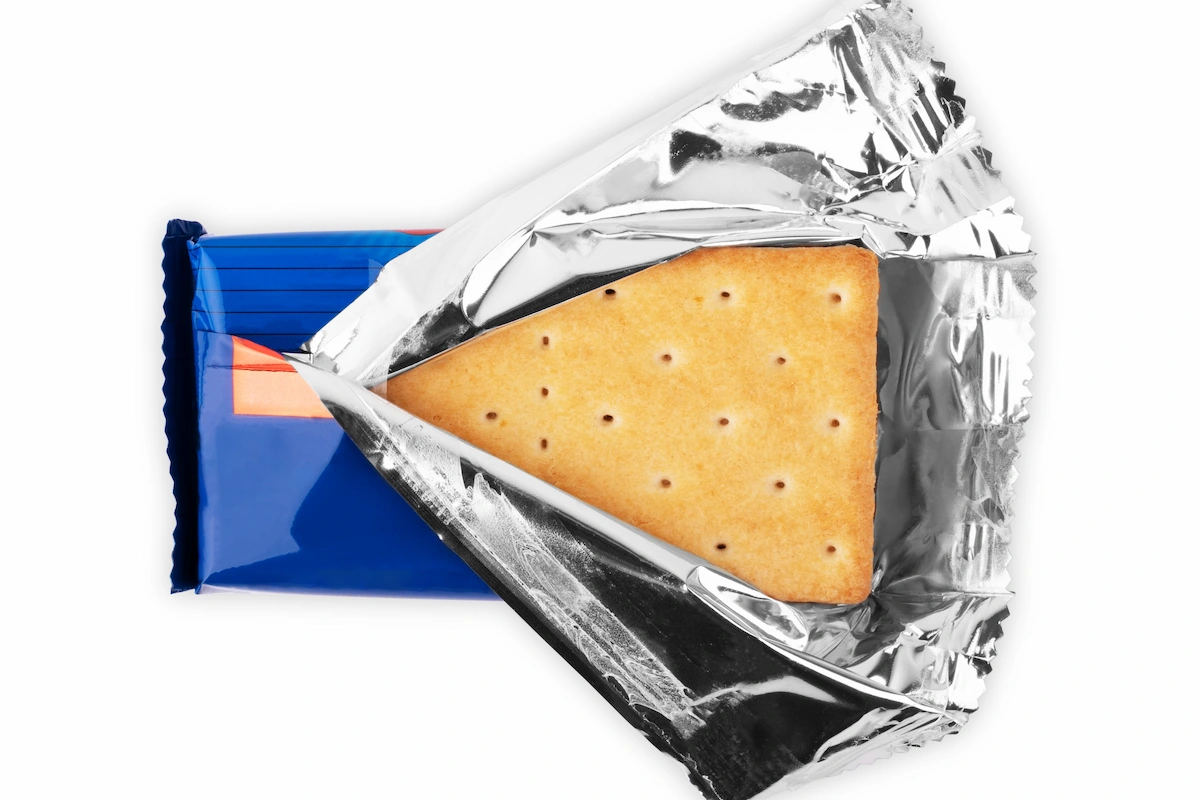
Metallized plastic goes through a metallization process, which means coating it with a thin layer of metal for mechanical or aesthetic purposes. Once metallized, the plastic will have a reflective and shiny appearance. This plastic can also improve electrical conductivity and protect products from electromagnetic effects.
For packaging, the types of plastic that are usually metallized are polypropylene and polyethylene, such as PET plastic (polyethylene terephthalate), OPP plastic (oriented polypropylene), and BOPP (biaxially oriented polypropylene). However, for industrial use beyond packaging, they can include polycarbonate, polyetherimide, and ABS.
A Quick Look at the Metallization Process
Now, you know what metallized materials are. But how is the metallization process actually done? In general, here are some metallization methods used in the industry:
1. Vacuum Metallizing
In this process, plastics are chemically or mechanically treated so that metal can stick to the polymer. After that, metals like aluminum are vaporized, so the vapor condenses and leaves a thin layer on the substrate. This happens inside a vacuum chamber to prevent oxidation and to ensure that the metal vapor reaches the substrate without colliding with air molecules.
2. Flame Spraying
Metal powder is melted in a flame, then sprayed onto the surface of plastic components. This method produces a thick coating and has a high deposition rate. However, it tends to create a coating that is coarsely porous. Flame spraying is generally applied to products that have a complex shape.
3. Electroplating
This method involves immersing plastic components in concentrated sulfuric acid and chromic acid for etching. The etching creates microscopic holes on the plastic surface. These holes are what bind the metal layer. After being soaked in the acid solution, the plastic components are rinsed with a base mixture to stop the acid from further etching the plastic.
Then, the plastic components are coated with a catalytic film and cleaned carefully. After that, the surface is coated with nickel or copper so the plastic components can conduct electricity.
After that, the plastic components that have been coated with nickel or copper are dipped into a tank containing a positively charged chromium solution. Here, the chromium will evenly stick to the entire plastic component due to the attractive charges. However, it should be noted that this method is rarely used for packaging and is more commonly used for rigid components like electronic casings.
Read also: Get to Know Polyethylene, a Flexible Plastic Material
Advantages of Metallized Plastic

This plastic offers several advantages that might not be found in other types of plastic, such as:
1. More Attractive Appearance
Metallized plastic has a shiny finish, making packaging look more luxurious. This can possibly increase buyer appeal.
2. Extra Protection
This plastic can protect products from exposure to air and light, keeping items like food fresher and longer-lasting. That’s why it is often used for products prone to oxidation, like tea and coffee.
3. Fairly Durable
Packaging made from metallized plastic generally has better tear and puncture resistance compared to regular plastic, thanks to the combination of the base film and lamination process. This property depends on the laminated structure and type of base film.
Uses of Metallized Plastic
Metallized plastic is widely used by industries, ranging from food to electronics. Here are several uses of metallized plastic:
1. Food Packaging
Metallized plastic is often found in food and beverage packaging, such as snacks, cereals, biscuits, coffee, tea, and many more. The metal layer on its surface can protect food from air and moisture, keeping it fresh and crispy.
2. Cosmetic Packaging
This plastic is used to package beauty products, such as creams, masks, and others. Metallized plastic can protect cosmetic products from light and air, ensuring they remain effective.
3. Pharmaceutical Product Packaging
Many supplements and medicines are usually wrapped in metallized plastic to remain stable and effective even after going through a long supply chain.
4. Electronic Product Packaging
This plastic protects electronic components that are sensitive to static electricity and moisture, keeping them functioning optimally. Examples of metallized packaging for electronics include moisture barrier bags (MBB) and shielding bags (ESD).
Worth Reading: PET Plastic: Characteristics, Uses, and Differences to HDPE
Difference Between Metallized Plastic and Aluminum Foil
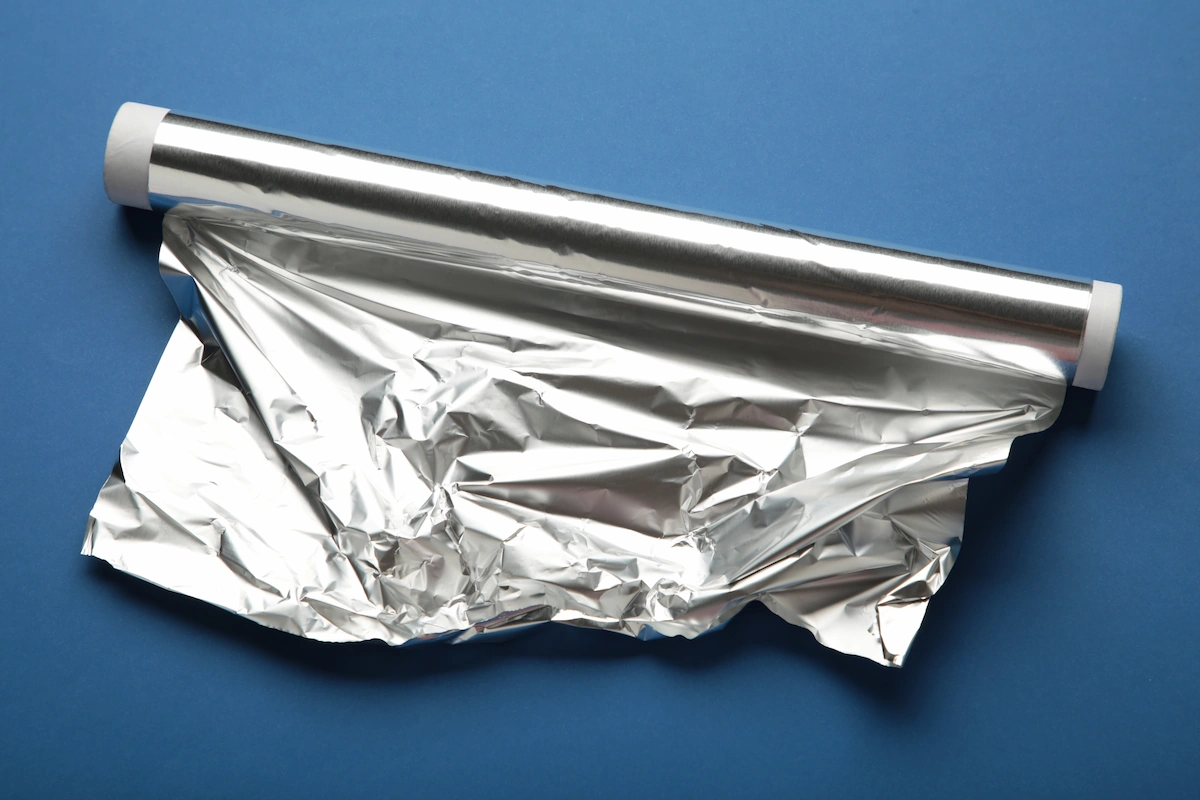
These two shiny products are often compared, especially for packaging. So, what sets them apart? Here is the full information:
| Metallized Plastic | Aluminum Foil | |
| Shape | Plastic that has a thin metal layer on its surface. | Thin sheets of metal. |
| Advantages | Lighter, affordable, and sufficient to protect products from light and air. | Stronger and has better adhesion compared to metallized plastic, so it can block light, air, and moisture. |
| When to use? | Ideal for products that don’t need a long shelf life, like tea, coffee, snacks, and cosmetics. | Ideal for products that are more prone to oxidation and need a longer shelf life, like cheese, medicines, and medical equipment. |
If you are still unsure about which to choose, you can take another look at the shelf life and the level of protection your product needs. If you need high protection against oxidation, you can go with aluminum foil. On the other hand, if your product requires moderate protection or something reasonable, you can choose metallized plastic.
Besides checking the specifications of aluminum foil and metallized plastic, you should also understand that not all metallized plastics have the same performance. For example, metallized PET (polyethylene terephthalate) is more resistant to oxygen and moisture, while metallized OPP (oriented polypropylene) is better at protecting against moisture, like for cigarette packaging and light snacks. So, match your product's conditions with the packaging specifications.
Regardless of the material choice, make sure to run packaging tests, like stretch tests, seal tests, bend-crack tests, and others, to find the packaging that works best for your product.
Trust Your Industrial Plastic Needs to Chandra Asri Group!
Metallized plastic is just one of the many plastic innovations around us. These plastics are developed to meet the required standards and specifications. Of course, these plastics need to be supported by high-quality raw materials.
Chandra Asri Group, as a leading chemical solutions company in Southeast Asia, provides high-quality chemicals for making plastics, such as ethylene, propylene, polyethylene, polypropylene, styrene monomer, and many more. We even supply chemicals for other manufacturing processes, like caustic soda, butadiene, ethylene dichloride, and so on.
Not only that, our Singapore-based subsidiary, Aster, also provides chemical raw materials for various industries, such as HDPE, propylene, styrene, polyols, and more.
If you need high-quality basic chemicals, Chandra Asri Group and Aster are ready to be #YourGrowthPartner! Contact us now and consult on your business needs, both domestically and abroad!
Related Articles: What Is High-Density Polyethylene (HDPE) Plastic & Its Uses

Blow Molding: How It Works, Types, and Materials Used

Customs Clearance: Steps, Documents, and Inspections
