

08-10-2026
What Is Industrial Waste, Types, & Impact on the Environment
By Chandra Asri Group Editorial Team
Key Takeaways:
- Industrial waste is a byproduct of industrial processes that is no longer wanted or cannot be reused.
- Industrial waste is divided into solid, liquid, toxic, chemical, non-hazardous, electronic, and secondary waste.
- Waste that is not properly managed can cause environmental problems and pose risks to the health of nearby communities.
In industry, the role of wastewater treatment and industrial waste management is extremely crucial to meet waste disposal standards and ensure that waste does not pollute the surrounding environment.
Moreover, industrial waste can be a challenge because as industrialization grows, the amount of this waste can increase continually. This article explores the ins and outs of industrial waste and how to manage it. Read this article to the end to learn more.
What Is Industrial Waste?
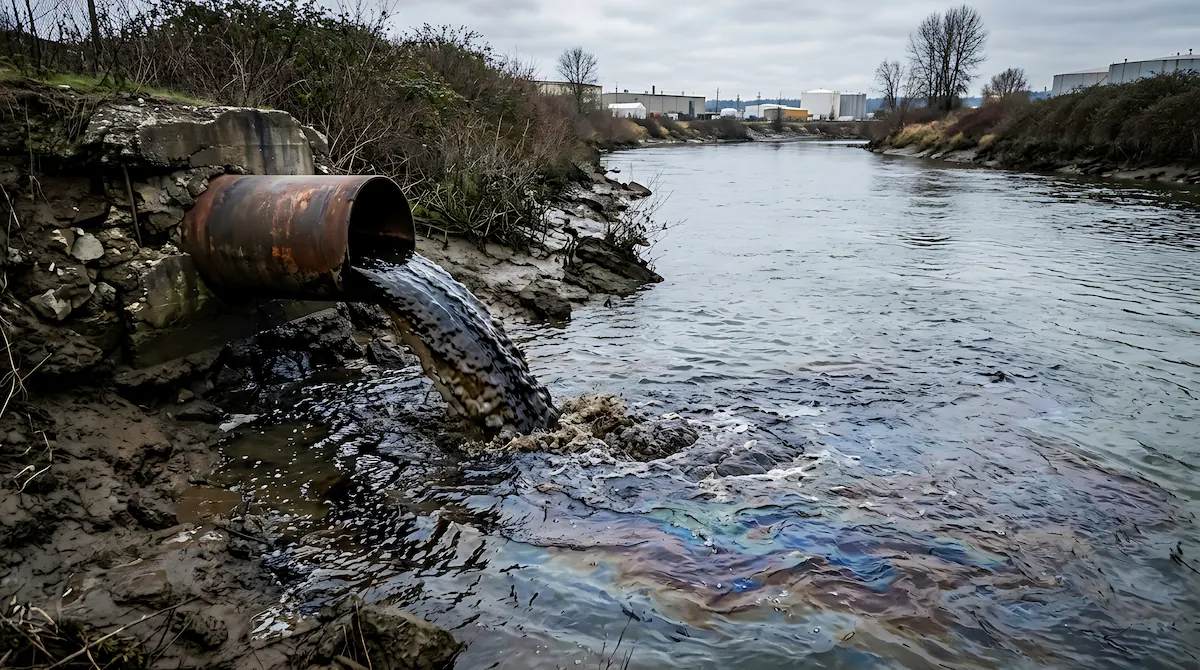
Industrial waste is the residue of manufacturing processes that is no longer wanted or usable. Unlike municipal waste, which comes from public facilities, businesses, and households, industrial waste is produced on a large scale by the industrial sector and needs special management because it can pose risks to public safety.
Industrial waste has several characteristics, such as:
- Produced regularly in large quantities.
- Made up of various materials (depending on the industry).
- Mostly contains hazardous substances that can impact health and the environment.
- May include materials that are easily recyclable.
So, are there industrial wastes that are not dangerous? These wastes can also contain materials that do not need special handling, like leftovers of construction concrete. Even so, drilling or grinding processes should be done carefully so the dust does not mess with your breathing.
Related Articles: Zero Liquid Discharge: Eco-Friendly Wastewater Solution
Types of Industrial Waste
Industrial waste can be divided into solid, liquid, toxic, chemical, secondary, non-hazardous, and electronic waste. Here is the explanation:
1. Solid Waste
Solid waste is the most common type of waste produced across all industrial waste categories. This type of waste can be generated by various sectors, including manufacturing and agriculture. Examples of solid waste include paper, packaging, debris, sludge from water treatment, and metal scraps.
2. Liquid Waste
This type of waste is mostly produced by food industries, textile industries, pharmaceutical industries, power plants, and others. Examples of liquid waste include oil, wastewater, acid, solvents, and other liquids.
3. Toxic Waste
Toxic or hazardous waste is usually produced by factories and manufacturing facilities and contains materials that can harm health and the environment. This waste includes pesticides, toxic solvents, paint, asbestos, heavy metals, and radioactive waste.
4. Chemical Waste
This type of waste is usually produced by industries that use large amounts of chemicals, such as mining, oil and gas, and chemical manufacturing. Chemical waste needs to be treated specifically because it can react with other substances, pollute the environment, and pose health risks.
Generally, chemical companies in Indonesia have specific standards for handling chemical waste to prevent pollution of the surrounding environment. Examples of this industrial waste include expired chemicals, sludge containing heavy metals, used cleaning liquids, and leftover chemicals.
5. Secondary Waste
Secondary waste is the residue that comes from handling, storing, or processing primary waste. Examples of secondary waste include construction debris, dust, particulates, incineration ash, used foundry sand, and more.
6. Non-Hazardous Waste
This type of waste might not be harmful to health, but it can potentially pollute the environment if not managed properly. Examples include organic waste from food production, product packaging (like cans), used cardboard, and pieces of cloth.
7. Electronic Waste
Electronic waste comes from the manufacturing of electronic devices or gadgets that are discarded after their lifespan ends.
This waste may contain certain harmful substances, so it needs special handling. It can also contain metals that can still be recycled. An example of electronic waste is old circuit boards.
Worth Reading: 9 Plastic Waste Processing Solutions, Effective and Safe!
The Impact of Poorly Managed Industrial Waste
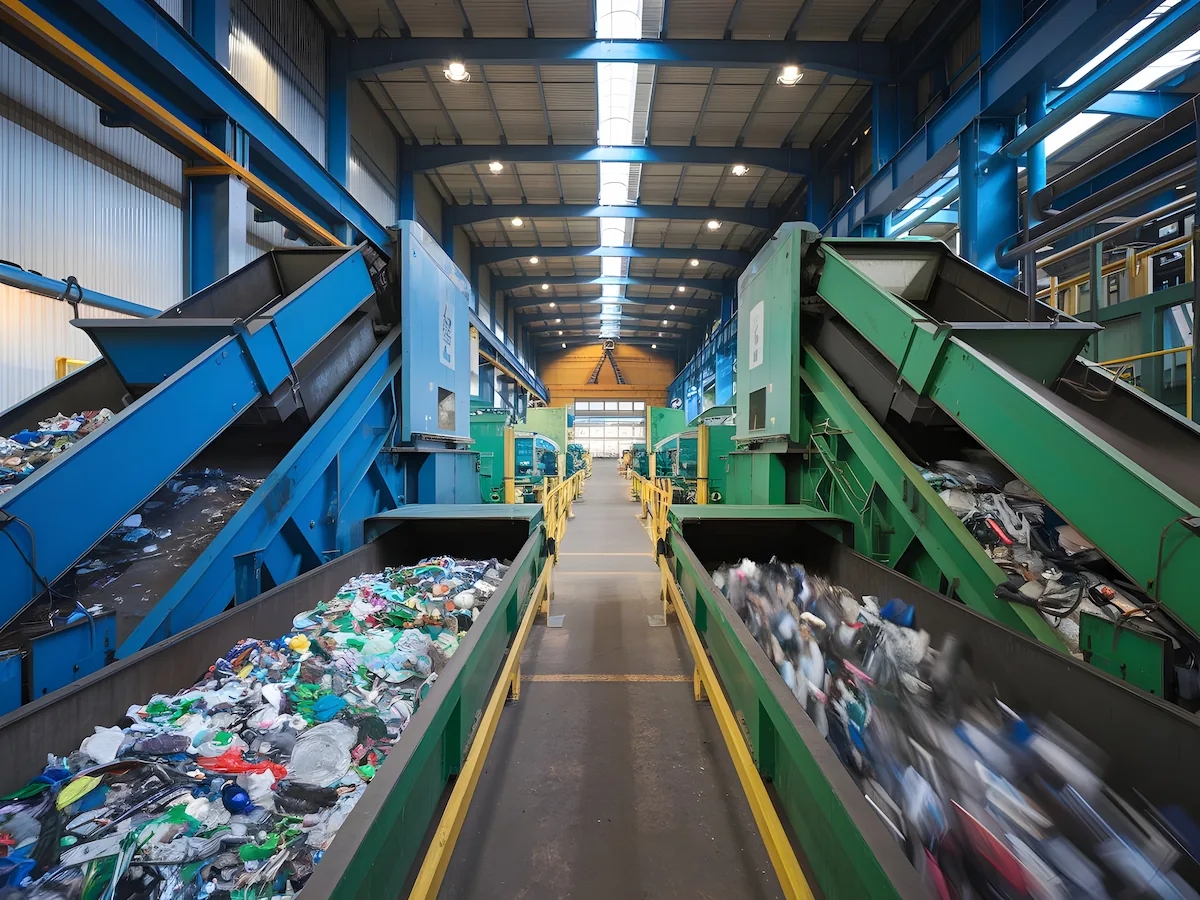
Most types of industrial waste contain hazardous materials, so they still require a special industrial waste treatment system to reduce their impact. The effects of industrial waste include environmental pollution, air pollution, and public health risks. Here is the explanation:
1. Causing Air Pollution
Industrial waste can release pollutants, such as particulates and volatile organic compounds (VOCs), into the air, spreading to wider areas like residential neighborhoods. As a result, the air becomes polluted.
These pollutants can also harm people’s health if inhaled over a long period, such as increasing the risk of respiratory problems and the potential development of cancerous cells in the body.
2. Polluting the Environment
Waste that is thrown into the environment without proper treatment will pollute nearby water and soil sources and can even seep into groundwater. As a result, water sources can contain heavy metals and harmful chemicals if consumed.
Moreover, waste can also threaten the survival of ecosystems, especially aquatic ecosystems, where animals and plants can die or lose their habitats due to exposure to harmful substances.
3. Increasing Health Risks for People Living Around Operational Areas
Exposure to hazardous waste not only affects the ecosystem but also the people living near operational areas. They cannot use contaminated land and water because it could lead to health issues, like respiratory, eye, and skin infections.
This is especially important to note because vulnerable groups, like the elderly, pregnant women, and children, are more sensitive to harmful substances and are at higher risk of experiencing more severe side effects.
How Does Chandra Asri Group Manage Industrial Waste?
As explained earlier, industrial waste must be managed wisely and according to regulations to be safe and environmentally friendly. Chandra Asri Group supports waste management efforts by carrying out several initiatives to handle industrial waste, including:
Non-hazardous Waste Management:
- Sorting trash in the office area.
- Making compost from organic waste.
- Utilizing waste through IPST ASARI and waste banks.
- Reducing paper waste.
Hazardous Waste Management:
- Reusing hazardous waste as raw materials or fuel.
- Recycling oil waste.
- Optimizing operational conditions to reduce sludge waste.
Wastewater management:
- Optimize steam consumption.
- Install wastewater treatment facilities in schools in Cilegon.
- Recycle water.
- Empower the community to manage water.
- Implement a zero-leakage program.
- Reduce freshwater usage.
- Optimize the use of chemicals to reduce waste levels in water.
- Monitor wastewater with SPARING.
Emission management:
- Implement energy efficiency programs to reduce fuel consumption.
- Use stack technology to eliminate light, heat, smoke, and noise emissions, as well as emission control technology in the combustion process.
- Reduce burning and hydrocarbon losses.
- Monitor nitrous oxide levels with a continuous emission monitoring system.
- Use low-nitrous-oxide burners.
- Use electrostatic controllers to reduce particulates.
- Reduce VOC gases with leak detection and repair programs.
That's the information about industrial waste, its types, impacts, and efforts that can be made to manage and reduce its effects. As a leading chemical, energy, and infrastructure solutions company in Southeast Asia, Chandra Asri Group not only prioritizes services and products but also takes responsibility for environmental sustainability.
If your company is looking for a #YourGrowthPartner in the energy & chemical sector, integrated infrastructure, and mobility solutions, contact us and consult your needs with us!
Don’t Miss: Carbon Offset: Understand Its Benefits and Project Examples

Blow Molding: How It Works, Types, and Materials Used

Customs Clearance: Steps, Documents, and Inspections
