

06-10-2026
Fleet Management: Pillars, Benefits, & Manager Responsibilities
By Chandra Asri Group Editorial Team
Key Takeaways:
- Fleet management is the process of optimizing and maintaining a fleet to keep operations running smoothly and efficiently.
- Fleet management rests on five key pillars, from real-time monitoring to regulatory compliance.
- Fleet management can boost customer loyalty, potentially increase ROI, and ensure the fleet operates effectively.
Fleet management is a component of land logistics, such as trucking logistics, that ensures an organization’s fleet system operates at its best. Through this management, companies can save costs, improve operational safety, and increase efficiency.
This article discusses the definition, pillars, and benefits of implementing fleet management for businesses. So, read to the end.
What Is Fleet Management?
Fleet management is the process of maintaining and optimizing a fleet, including complying with regulations, supervising drivers, optimizing routes, and performing routine fleet maintenance to ensure efficient fuel usage.
The goal of a fleet management system is to monitor the fleet in real time, optimize operating costs, and maximize productivity.
This system can be supported by technology, such as specialized fleet management software, the Internet of Things (IoT), GPS tracking, and more.
Read also: Definitions, Benefits, and Strategies of Green Logistics
Key Pillars of Fleet Management
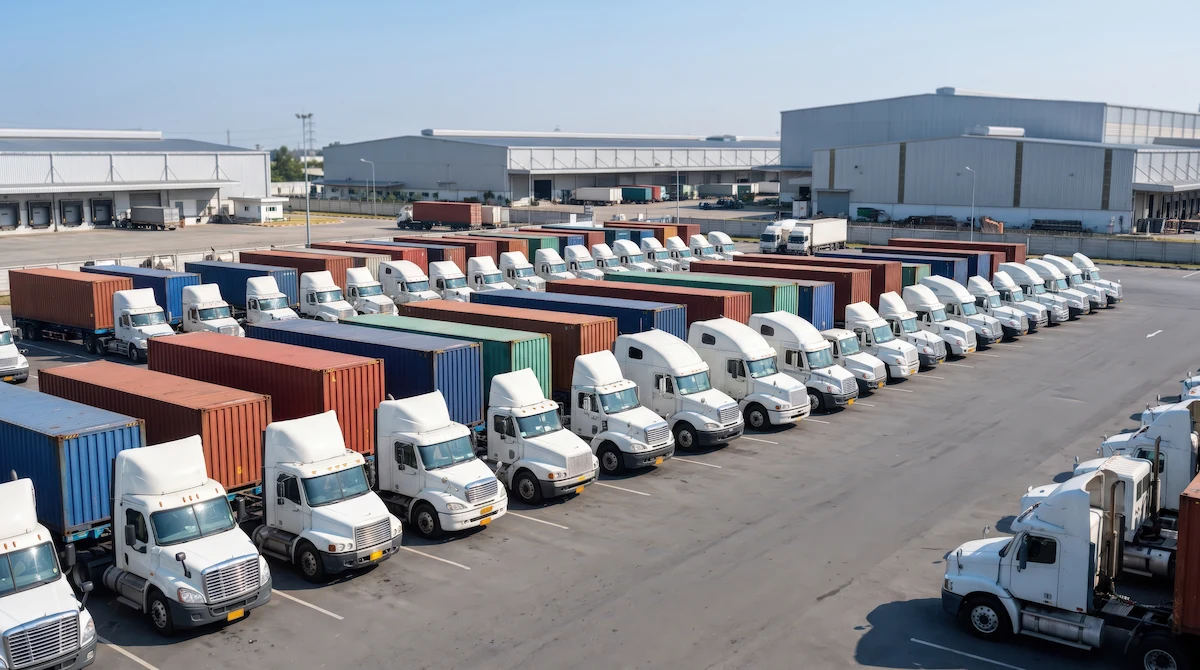
Generally, fleet management is organized into five key pillars, namely:
- Real-time monitoring: Technologies such as IoT and GPS tracking monitor the fleet’s movement, speed, location, and engine performance.
- Fleet lifecycle management: This includes procurement, ownership, and renewal or retirement at the end of the fleet's service life.
- Fuel and maintenance optimization: The fleet is maintained and repaired, and its maintenance needs are predicted to ensure optimal performance. Additionally, fleet management also ensures fuel consumption remains efficient and under control.
- Driver management: Monitors driver safety and performance in real time to enhance safety. This also includes driver behavior, such as reckless braking, which can damage vehicle components.
- Regulatory compliance: Ensures every fleet process complies with applicable safety standards and regulations, such as obeying traffic signs and adhering to established work hours.
Read also: Route Optimization: Mechanisms & Difference from Route Planning
Who Is Responsible for Fleet Management?
Typically, a fleet manager handles fleet management. A fleet manager has the following responsibilities:
- Determining fleet maintenance needs, scheduling repairs, and balancing maintenance costs to prevent breakdowns during operations.
- Deciding when to expand the fleet, what specifications to use, and when to replace vehicles with new ones.
- Monitoring fuel consumption, identifying the most efficient gas stations based on the driver’s location and route, and ensuring fuel costs remain stable.
- Managing drivers’ workloads, providing specialized training, emphasizing safety procedures, and monitoring driver performance.
- Ensuring fleet costs remain efficient by comparing operational cost data over time, reducing idle time, and optimizing routes.
- Monitoring working hours and ensuring drivers operate in accordance with safety and security standards.
- Determining the best routes and schedules for each driver and the vehicles they use.
Discover more: Logistics Management: Functions, Benefits, & Main Components
Benefits of Fleet Management for Businesses
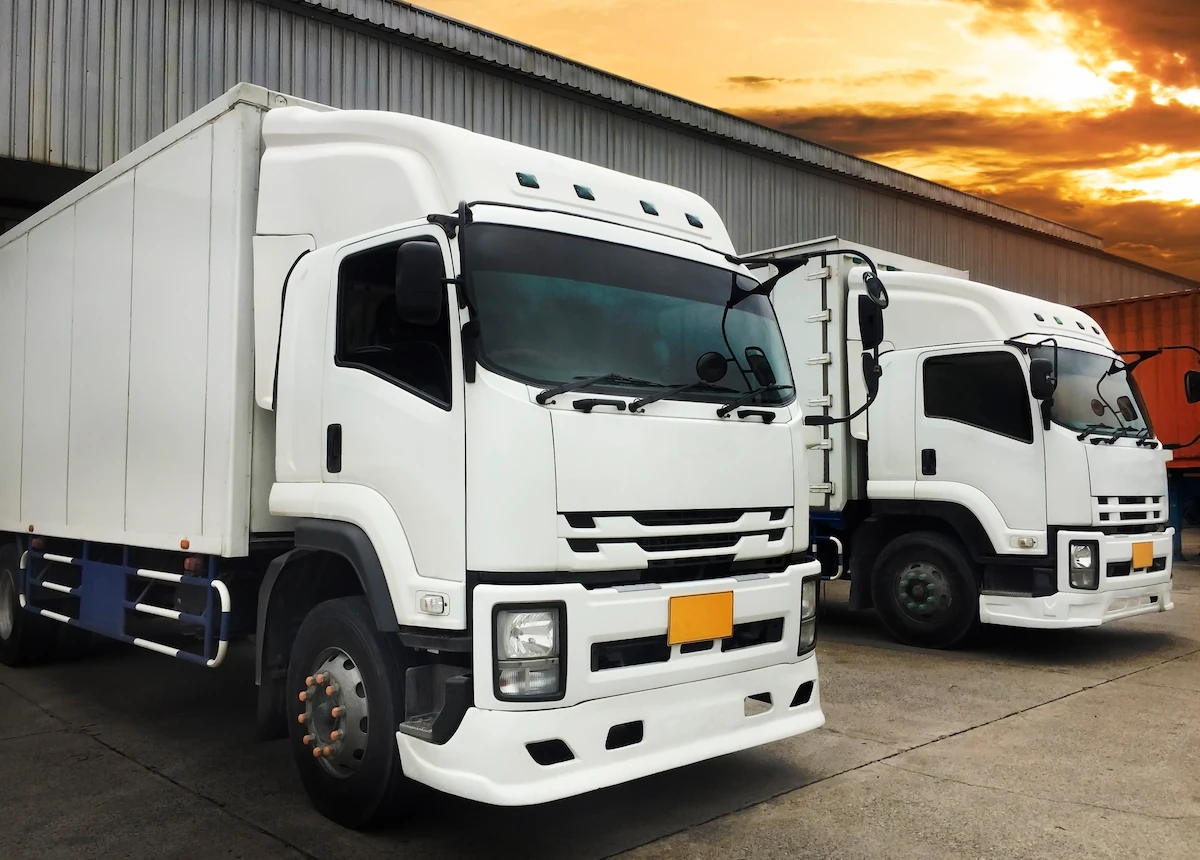
So, why should companies implement fleet management? Here are the benefits that can be gained from implementing fleet management:
- Improving customer satisfaction through on-time and transparent deliveries.
- Increasing return on investment (ROI) through fuel efficiency, reduced operating costs, and optimized vehicle utilization.
- Improving inspection results through preventive or predictive maintenance that keeps the fleet functioning properly.
- Avoiding last-minute cancellations to increase the number of customers.
- Reducing fuel, operational, and regulatory-violation costs.
- Aligning maintenance schedules to ensure vehicles function properly.
- Improving asset management, specifically of the fleet.
- Obtaining real-time, accurate data to inform operational strategies.
- Improving workplace safety and reducing accident risk.
- Reducing transportation emissions through efficient fleet management.
Fleet Management Challenges
Fleet management can be a complex task because it involves managing the fleet and related processes. Here are some challenges you may face when implementing fleet management:
1. Choosing the Most Optimal Route
The route chosen can determine trip efficiency. If not planned properly, trips take longer, waste more fuel, and may reduce driver performance, increasing the risk of accidents.
2. Maintaining Consistent Fleet Maintenance
Fleet management must be carried out continuously to extend the fleet’s service life and ensure optimal performance. Predictive or preventive maintenance can avoid the risk of the fleet breaking down mid-operation due to unexpected maintenance needs.
Integrated and Efficient Land Logistics Solutions from Chandra Asri Group
Fleet management is a crucial element in logistics because it ensures the fleet's reliability during operations. PT SCG Barito Logistics (SBL), a subsidiary of Chandra Asri Group, also implements this vehicle management approach and offers land logistics solutions. Here are some fleet management practices implemented by SBL:
- Installing GPS trackers and in-cab cameras that monitor trips in real time to maintain operational stability and safety
- Implementing the Goods Transport Safety Standards (GTSS) in every shipping process to ensure safety and security.
- Reviewing work procedures, fleet conditions, and operational processes to ensure they comply with regulations.
- Conducting defensive driving training for drivers to help them drive more cautiously, understand road risks, and make safer decisions in various situations.
SBL provides inter-island shipping, ocean freight, customs clearance, import-export, and warehouse management services. To date, SBL has managed a fleet of over 200 trucks.
Chandra Asri Group, together with SBL, is committed to providing optimal service and solutions for your company’s land logistics needs. So, don't hesitate to make us #YourGrowthPartner. Contact us now!
Also worth reading: What’s a Shipping Instruction and Its Function in Logistics
Frequently Asked Questions (FAQ)
Here are some frequently asked questions about fleet management:
1. How Do You Determine the Best Fleet Management Solution for Your Company?
To figure out the right fleet management solution, identify your business needs, evaluate the required fleet management features, consider the system’s scalability, and compare the benefits.
Explore more videos by Chandra Asri Group below!

Blow Molding: How It Works, Types, and Materials Used

Customs Clearance: Steps, Documents, and Inspections
