

07-10-2026
Get to Know Downstream Processing in the Petrochemical Industry
By Chandra Asri Group Editorial Team
Key Takeaways:
- The downstream segment processes crude oil into consumer or industrial products.
- The downstream processing operates in several key areas, such as refining, manufacturing, fuel production, logistics and storage, and marketing.
- Examples of downstream products include gasoline, diesel, polyethylene, and others.
Downstream processing is one of the segments of the oil and gas industry responsible for processing primary raw materials into products ready for use by consumers and industry. The downstream sector represents the final stage in the oil and gas industry’s value chain.
This article discusses the important role of the downstream sector, its stages, and the products it produces. Read the full details below.
What Is the Downstream Sector?
Downstream processing is the part of the petrochemical industry that is responsible for converting hydrocarbons from crude oil and natural gas into market-ready products, such as gasoline, plastics, synthetic rubber, and others.
This distinguishes the downstream segment from the upstream and midstream, where the upstream processes crude oil and natural gas, while the midstream distributes and stores hydrocarbons before they are processed in the downstream segment.
The Important Role of Downstream Processing
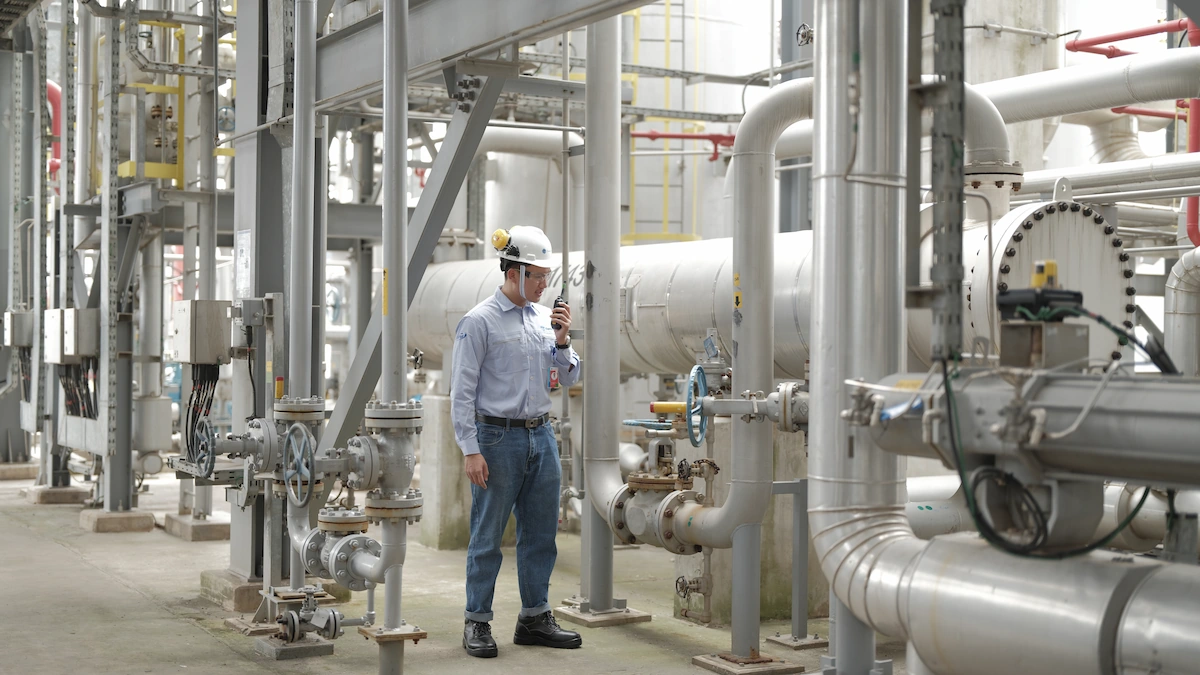
The downstream industry plays a vital role in the petrochemical sector, such as ensuring energy security, driving innovation, and contributing to the economy. Its roles are as follows:
1. Ensuring Energy Security
Efficient downstream operations ensure a steady supply of downstream products, thereby contributing to energy security. This is crucial for supporting economic growth and stability.
2. Driving Innovation
Industrial needs continue to evolve over time, driving the downstream sector to continually innovate to meet market demand. Consequently, this segment must continuously update its technology to improve production efficiency and reduce its environmental impact.
3. Contributing to the Economy
The downstream sector not only provides products to consumers and industries but also generates tax revenue, supports other industries, and creates jobs. This certainly contributes to the country’s economy.
4. Providing Fuel and Chemical Raw Materials
One of the downstream sector’s primary roles is to provide fuel for various vehicles, such as gasoline for land vehicles, diesel for trucks, jet fuel, and marine fuel.
Also, downstream processing provides chemicals used to manufacture plastic packaging, automotive components, synthetic fibers for the textile industry, synthetic fertilizers for crops, and much more.
Interesting to read: Chandra Asri Group's Annual Report
How Does the Downstream Sector Work?
The downstream sector operates through several key stages: refining, manufacturing, fuel production, logistics and storage, and marketing. Here is the complete information:
1. Hydrocarbon Refining
Crude oil is a mixture of hydrocarbons with varying molecular sizes and densities. Crude oil is refined into some products, such as naphtha, gasoline, diesel, lubricating oil, and bitumen.
This process includes crude oil distillation, which separates hydrocarbons into crude oil fractions; cracking, which breaks down heavy molecules into lighter ones; and reforming, which creates aromatics and increases gasoline octane rating.
2. Petrochemical Manufacturing Processes
This segment also processes refined feedstocks into basic chemicals, such as polypropylene, polyethylene, lubricants, synthetic oils, and synthetic rubber. These processes generally use cracking to break down hydrocarbons into basic components for synthetic materials, such as ethylene, which can be processed into polyethylene.
3. Fuel Production
In addition to chemical feedstocks, the downstream segment also processes hydrocarbons into fuels, such as gasoline, jet fuel, and diesel. Here, the downstream segment blends various additives to improve fuel quality, increase the octane rating, and test the fuel to ensure it meets applicable standards.
4. Logistics and Storage
The downstream segment distributes products through a pipeline network for regional transportation, stores them in tank farms, and ships them further via sea, land, and air. This process ensures a steady supply of chemicals to various businesses, such as gas stations and the chemical industry.
5. Petrochemical Product Marketing
Finally, the downstream segment sells petrochemical products to end consumers (such as retailers), builds brand recognition, and provides optimal customer service.
Downstream vs. Upstream: What’s the Difference?
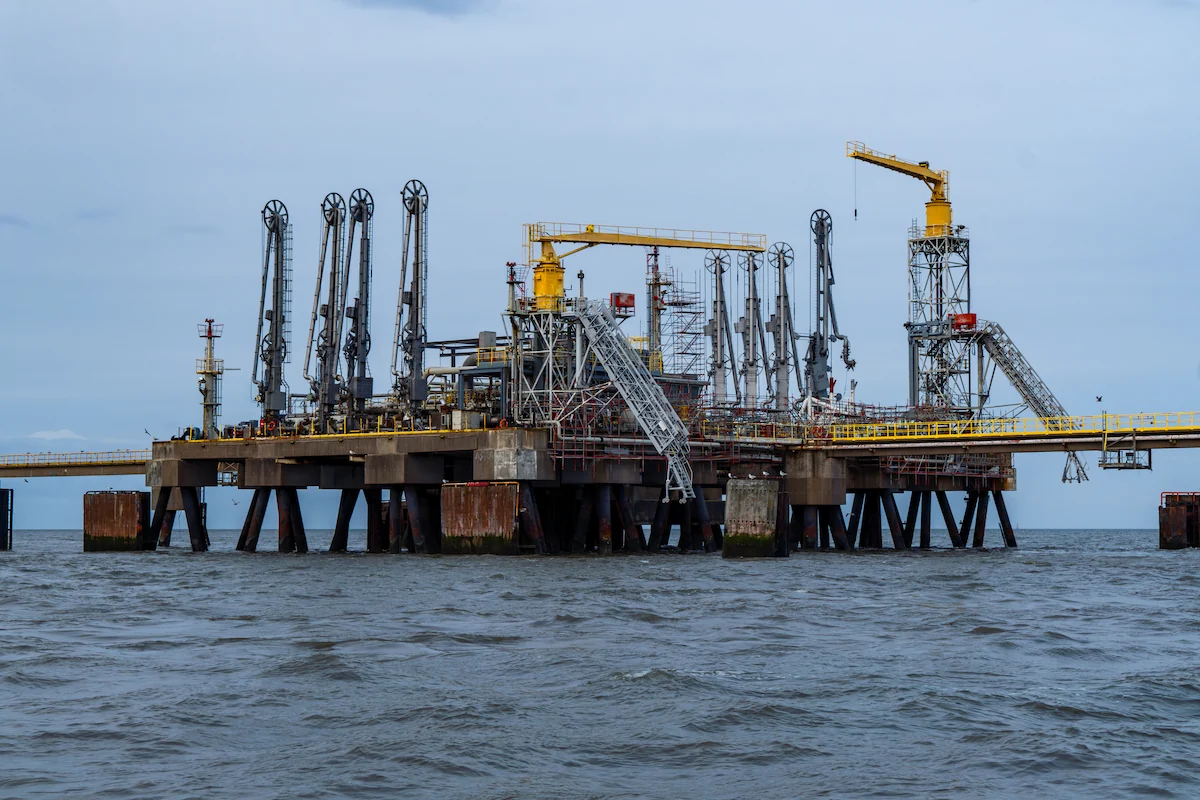
The downstream and upstream sectors, as segments of the petrochemical industry, differ in several ways in terms of objectives, operational processes, business relationships, and the value they provide.
| Downstream | Upstream | |
| Objectives | Processing raw materials into finished products and marketing them to the right consumers. | Focuses on the exploration and production of crude oil and natural gas. |
| Operational processes | Refining, distribution, and marketing of refined petroleum and natural gas products. | Identifying exploration sites, drilling into reservoirs, and pumping oil out from deep within the Earth. |
| Business relations | Liaising with suppliers, distributors, and end consumers. | Collaborating with upstream technology developers and raw material suppliers. |
| Values | Providing the best petrochemical products and customer service. | Providing high-quality raw materials and on-time delivery. |
| Products | Gasoline, diesel, polyethylene, synthetic rubber, asphalt, bitumen, and others. | Crude oil and natural gas. |
Related reading: Refining Crude Oil Process, from Separation to Treatment
How Chandra Asri Group Operates the Downstream Segment
As a leading chemical solutions company in Southeast Asia, Chandra Asri Group operates a large, integrated petrochemical complex in Indonesia. In this process, Chandra Asri Group processes naphtha in a naphtha cracker to produce ethylene, propylene, pygas, and mixed C4. These raw materials are then processed into polyethylene, styrene monomer, polypropylene, butadiene, and raffinate-1.
The petrochemical product processing takes place at the olefins plant, polyethylene plant, polypropylene plant, styrene monomer plant, MTBE & B1 plant, and butadiene plant. Chandra Asri Group’s downstream segment is supported by on-site warehouses, satellite warehouses, gas turbine generators, steam turbine generators, water treatment facilities, cooling water systems, and fire suppression systems.
Along with our plants in Indonesia, Chandra Asri Group also produces ethylene oxide, ethoxylates, and other products through Jurong facilities operated by Aster, a Singapore-based subsidiary of the Chandra Asri Group.
Aster also manages an energy and chemical complex spanning more than 60 hectares, consisting of a refinery with a processing capacity of 237,000 barrels of crude oil per day, an ethylene cracker with a capacity of 1.1 million metric tons per year, and other downstream chemical assets.
Chemical Products by Chandra Asri Group and Aster
Chandra Asri Group and Aster, as #YourGrowthPartner, provide a wide range of industrial chemical products, including both raw materials and derivatives, such as:
Chandra Asri Group’s chemical solutions:
|
|
Aster’s chemical solution products:
- Ethylene.
- Propylene.
- Diethylene glycol.
- Dipropylene glycol.
- Ethoxylates.
- High-purity ethylene oxide.
- LLDPE.
- Monoethylene glycol.
- HDPE.
- Polyether polyols.
- Propylene glycol (industrial grade and US Pharmacopeia).
- Propylene oxide.
- Styrene.
- Raffinate-1
This concludes the information about downstream operations and the chemical products manufactured by the Chandra Asri Group. As a company focused on the downstream sector, we ensure that every petrochemical product reaches the right consumers with optimal quality. So, entrust your chemical needs to us! Contact us now!
Discover more: Petrochemical Product Classification & Their Industrial Uses

Blow Molding: How It Works, Types, and Materials Used

Customs Clearance: Steps, Documents, and Inspections
