

30-10-2026
Customs Clearance: Steps, Documents, and Inspections
By Chandra Asri Group Editorial Team
Key Takeaways:
- Customs clearance is a process of fulfilling customs requirements for export and import goods.
- Customs clearance requires some documents, from the bill of lading to the packing list.
- Regarding customs inspection, there are green and red lines that are still in use, as well as a yellow line that is no longer applicable.
Customs clearance is a process of fulfilling customs requisites according to the existing regulations. One of the crucial aspects of this process is HS code determination to classify goods.
The right customs clearance process facilitates the shipment of goods and avoids administrative hurdles. Therefore, an understanding of customs clearance procedures is crucial for businesses. Read on for a comprehensive explanation of customs clearance.
What Is Customs Clearance?
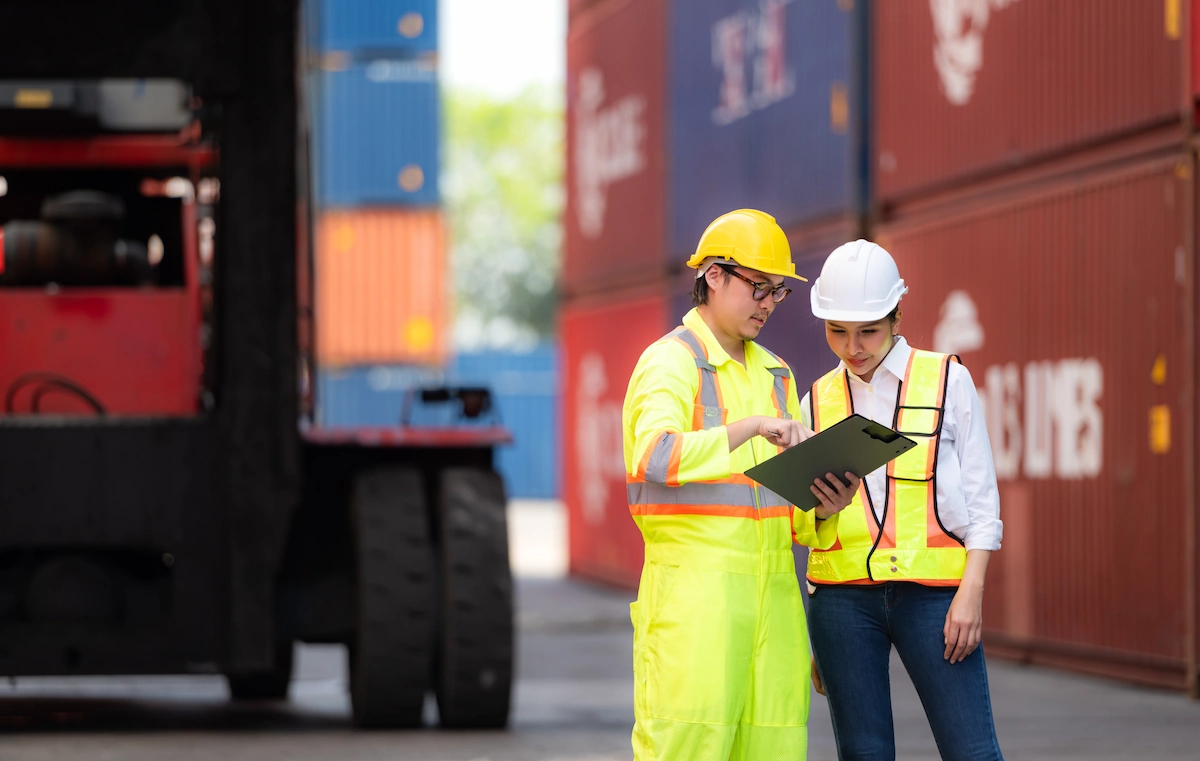
Customs clearance is a series of customs requirements fulfillment for export and import goods. In the process, the goods will be evaluated and legalized by the Customs Office.
To be cleared, exported, and imported goods must be accompanied by valid supporting documents that comply with customs regulations, such as the Export Declaration (PEB) and the Import Declaration (PIB).
Customs clearance ensures that goods and their supporting documents meet the requirements, allowing shipments to proceed without being held up at the border. Imported or exported goods that fail to meet customs requirements may be detained until the issue is resolved. If not addressed promptly, this could disrupt the supply chain.
Why Is Customs Clearance Important in Logistics?
Customs clearance has several important functions that ensure the smoothness of the international supply chain, such as:
- Ensuring goods are eligible to continue distribution safely: The Customs Office inspects the characteristics and documents of goods based on regulations. Goods can resume distribution after fulfilling the requirements and customs responsibilities.
- Comply with customs obligations: The main function of customs clearance is ensuring that all requirements and obligations for importing and exporting are met based on the regulations.
- Determine customs fees: This includes taxes, import duty, and other costs related to importing activities.
Related post: What’s a Shipping Instruction and Its Function in Logistics
Customs Clearance Procedures
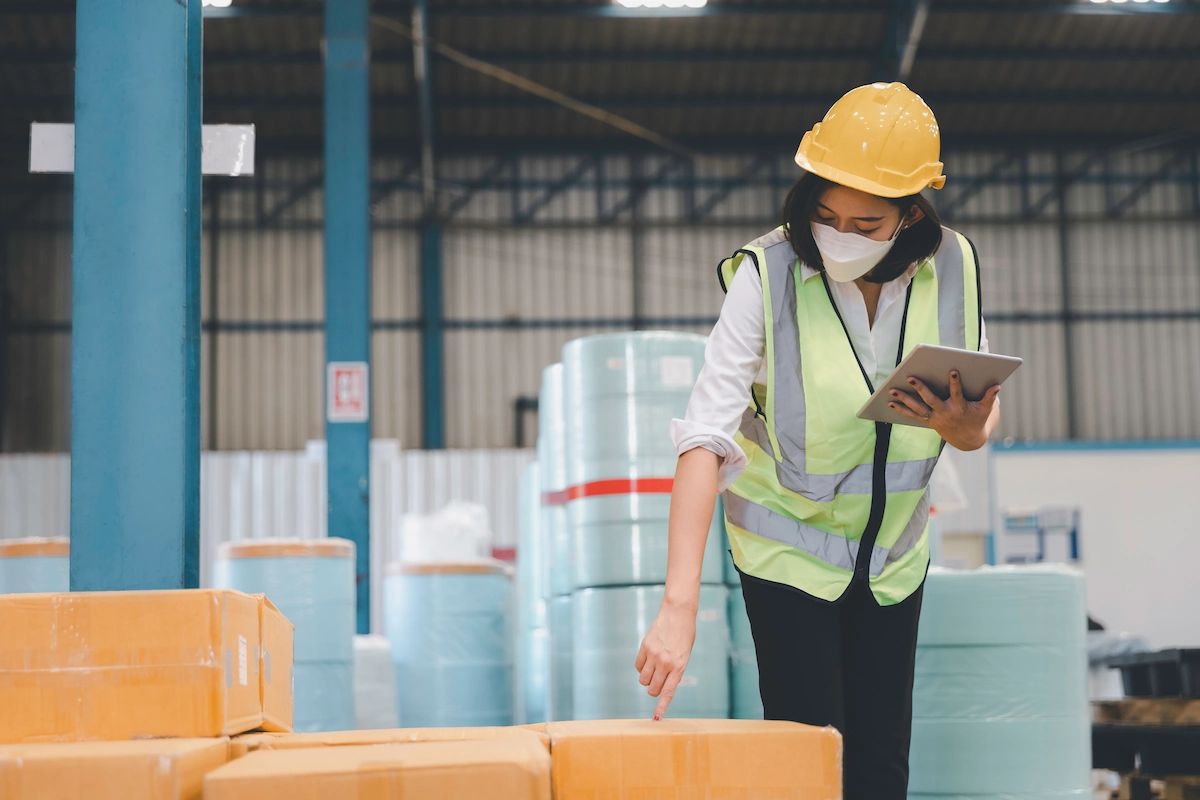
Generally, customs clearance undergoes three steps: document submission, duty calculation, and goods legalization. Here is the explanation:
1. Document Submissions
First, you need to submit documents to the customs authority, such as a packing list, commercial invoice, and so on. The authority will inspect the documents and verify the goods' content and regulatory compliance.
In some cases, the customs staff will inspect the goods physically to ensure that they are safe to distribute and not prohibited items. Furthermore, every country can require a certain declaration form or certification, so you must learn the destination country’s requirements.
2. Duty Calculation
The customs authority calculates the duties and taxes due after approving the goods documentation. The determination may be based on tariff classifications, applicable trade agreements, the shipment value, the country of origin, and other factors.
For example, to calculate the customs clearance costs for imported goods, you need to consider the declared value of the goods. From there, applicable import taxes and duties are added. The import duty rate may be based on the HS code, country of origin, and product type.
One type of tax imposed on import activities is the Value-Added Tax (VAT), which is included in the Taxes on Import (PDRI). In addition to VAT, PDRI may also include Article 22 Import Income Tax and Luxury Goods Sales Tax (PPnBM). However, not all imported goods are immediately subject to VAT; such as personal belongings carried by passengers that fall within the customs duty exemption limit are exempt.
3. Goods Legalization
After paying taxes and other fees, customs authorities will clear the goods so they can continue on to their destination. If there are still outstanding fees, the goods will be held until all obligations are paid. Goods held for too long can incur additional storage costs that strain a business’s budget.
So, who bears the cost of customs clearance? The answer depends on the Incoterm agreed upon in the sales contract and whether the cost is borne by the buyer or the seller.
When managing logistics, many businesses entrust their customs-related needs to freight forwarders or customs brokerage firms to ensure that administrative procedures are handled correctly and that matters are resolved more quickly.
Documents for Customs Clearance
To meet customs requirements, you must complete the required documents. Below are some of the documents you should bring:
- Import declaration (PIB): Document by the importer for the Customs Office regarding the goods brought to Indonesia.
- Export declaration (PEB): Document by the exporter for the Customs Office regarding goods leaving Indonesia.
- Air waybill: Proof of goods transportation via air.
- Bill of lading (B/L): Ownership proof of goods and delivery via the sea.
- Commercial invoice: List of item values and other details for customs requirements.
- Import license: Permission to import restricted goods, such as certain chemicals and electronic devices.
- Export license: Permission to export restricted goods.
- Packing list: Details of goods contents and weight.
- Insurance certificate: Proof of delivery insurance.
- Certificate of conformity: Document that shows whether the items pass the standard or not.
- Letter of credit: A payment guarantee from a bank for an exporter.
You may be interested in: Understanding Free On Board (FOB), Types, and Advantages
Red, Yellow, and Green Lines in Import Goods Inspections
In an import context, you will encounter three inspection lines: red, yellow, and green lines. The complete explanation is as follows:
1. Red Line
This line has a tighter inspection and service for imported goods. It involves physical and administrative inspection. This line has a higher risk, and the process may take longer and be tighter than the yellow and green lines.
2. Green Line
The green line carries the lowest risk because incoming goods generally do not require in-depth documents or physical inspections. However, physical inspections may be conducted on a random basis. The process is also faster than the red line.
This line is typically reserved for companies with a strong compliance history, low-risk goods, and reputable importers. Whether through the red or green lane, Customs will issue a Goods Release Approval Letter (SPPB) if the goods are deemed safe to continue their journey.
3. Yellow Line
This line is looser than the red line and usually focuses on document inspection. Meanwhile, physical inspection is only required when necessary. The process may take longer than the green line but is relatively simpler than the red line.
Yet, the yellow line is no longer applicable according to Perdirjen BC 02/2022, which took effect on April 25, 2022. In PER-2/BC/2023, implemented on January 14, 2023, until it is revoked, there are two lines in customs inspection: the green and red lines.
Entrust the Land Logistics and Customs Clearance Needs to Chandra Asri Group!
Customs clearance is among the obligations that must be complied with to resume travel to the destination. Therefore, make sure that your company complies with the regulations and fulfills the required documents.
The good news is that PT SCG Barito Logistics (SBL), as the subsidiary of Chandra Asri Group in land logistics solutions, is equipped with a Customs Agent License (PPJK) that supports your needs in customs clearance.
Moreover, SBL also has a Forwarder License (SIUJPT) for freight forwarding services, including logistics and transportation management.
Up to recently, SBL managed over 200 trucks of various types and provided inter-island service, export-import service, sea freight service, and warehouse management.
This is the right time to entrust your land logistics and customs clearance needs to #YourGrowthPartner. Contact us now!
More to explore: Shipping Costs: Definition, Factors, & Calculation Methods
Frequently Asked Question (FAQ)
Here is a question related to customs clearance:
1. How Long Does the Customs Clearance Process Take?
The customs clearance process depends on the inspection complexity, administrative documents, and the lines. In general, the green line takes 1–2 days, and the red line takes 7–14 days.

Blow Molding: How It Works, Types, and Materials Used
Customs Clearance: Steps, Documents, and Inspections
