

02-10-2026
China Plus One Strategy: Is Indonesia in the Market?
By Chandra Asri Group Editorial Team
Key Takeaways:
- The China Plus One strategy is a supply chain approach to add more sourcing and manufacturing locations aside from maintaining China as the primary source.
- There are several markets commonly selected as the plus-one, such as Indonesia, Vietnam, India, and so on.
- The China Plus One strategy has some pros and cons, from mitigating supply chain disruption to obtaining new technologies.
For years, China has become one of the global manufacturing centers. Many companies rely on China for their supply chain, from raw materials to final products. However, relying heavily on one source can lead to supply chain disruptions and cost changes. This is where the China Plus One strategy comes into play.
Learn more about the definition, pros and cons, and market considerations of the China Plus One strategy in this article!
What Is the China Plus One Strategy?
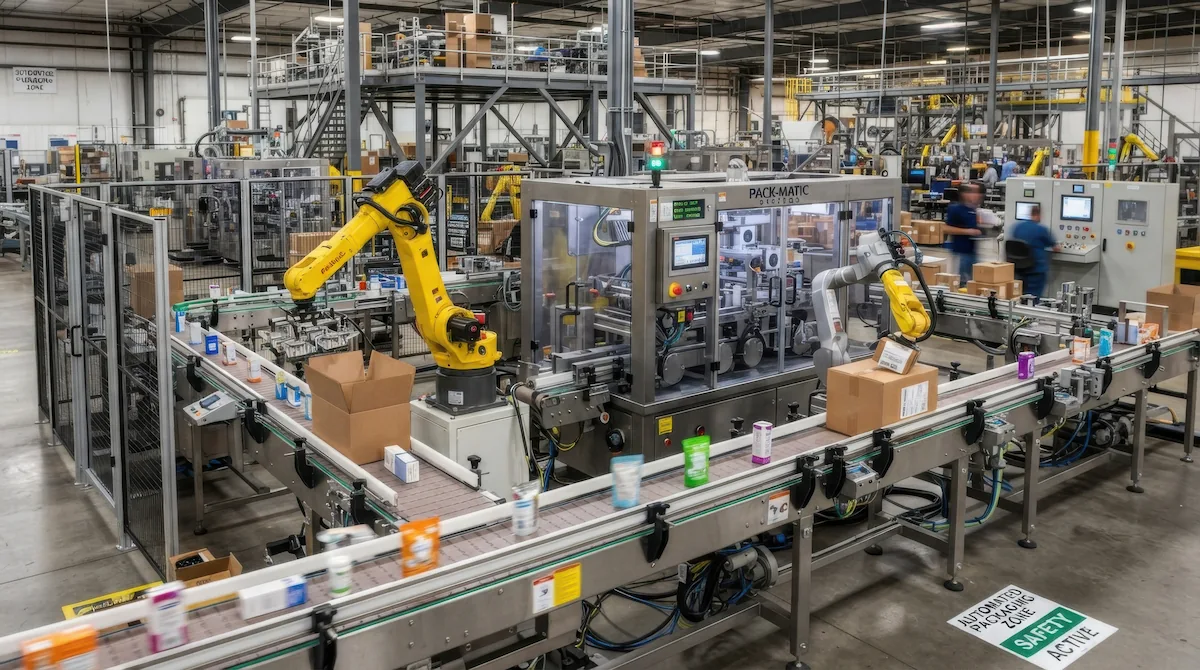
The China Plus One strategy (China+1) is a supply chain diversification strategy in which companies expand their sourcing or production into additional markets, usually in Asia, rather than relying mainly on China. This strategy reduces overdependence on China and keeps the supply chain stable.
It is crucial to note that relying on a single country for supply chain or manufacturing can make businesses more vulnerable to external factors, such as geopolitical shifts, trade restrictions, pandemics, and so on. By expanding their business to other countries, companies can maintain their supply chain resilience despite emerging issues in another source country.
Then, who is adopting the China Plus One model? Recently, major global corporations and contract manufacturers have adopted the Plus One strategy. Two well-known examples are Apple and MGA Entertainment.
Apple produced almost all of its technology in China but has recently expanded to several countries, such as India, Mexico, and Vietnam, for device assembly, decreasing China-based production.
You may be interested in: Malaysian Petrochemical Supply Chain, Export & Import (2026 Guide)
Why Do Businesses Adopt the China Plus One Strategy?
Adopting the China Plus One strategy for supply chains does not mean leaving China behind. Rather, companies keep China among the crucial parts of their supply chain while adding one more sourcing country. Here are some reasons why companies are adopting China+1:
1. Increasing Resilience and Diversification
External factors, such as pandemics and geopolitical conflict, can disrupt supply chains, as companies with only one source have no backup, so inventory can run out and operations can stall, decreasing customer experience.
As a result, many businesses have begun to adopt the China+1 strategy, and several of them are shifting their sourcing to Southeast Asia and other regions to mitigate business risk and increase supply chain resilience.
2. Managing Rising Operational Costs
Labor costs in China have risen in recent years. Exploring other markets makes businesses compare manufacturing, labor, shipping, and tax costs more effectively.
3. Entering New Markets
Businesses can enter and reach new customers in additional locations. Producing closer to key markets can shorten delivery times and support international growth.
Widely Known China Plus One Markets
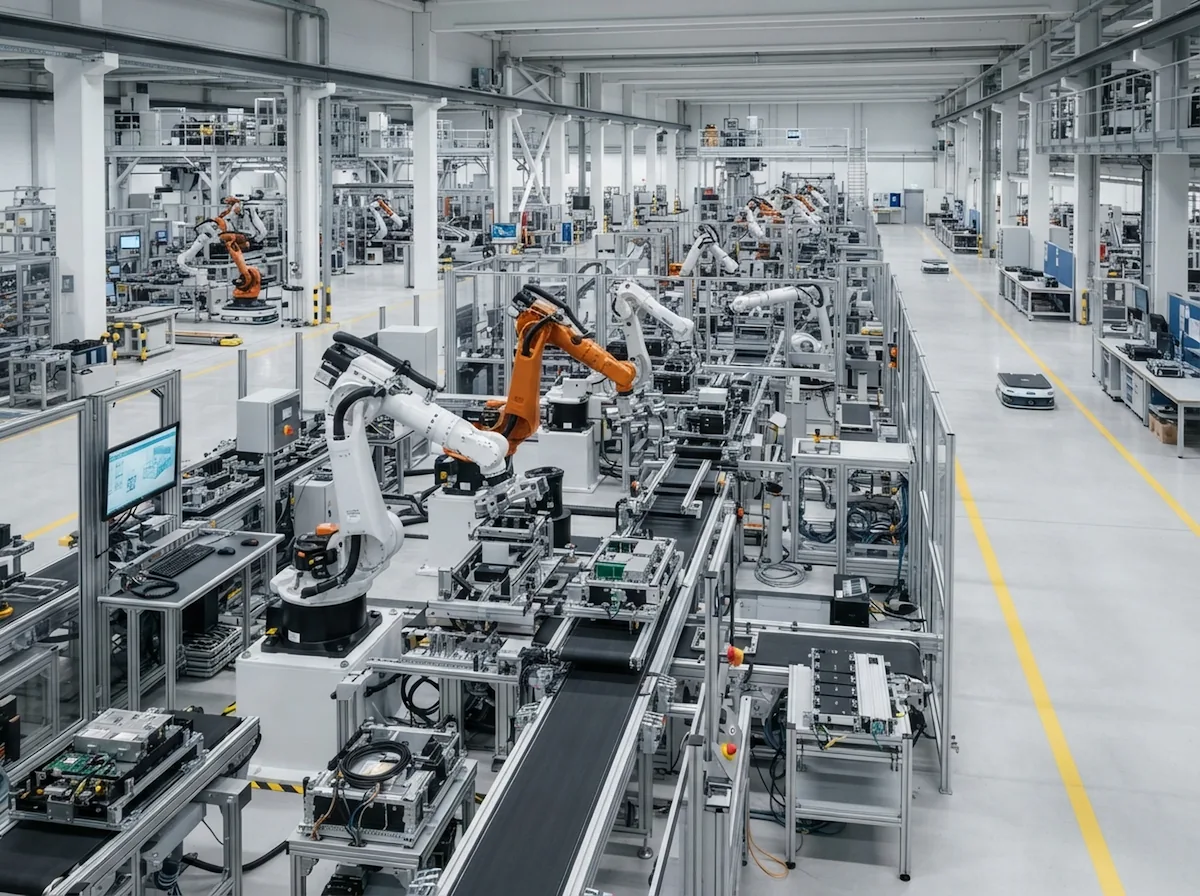
The right Plus One market depends on your product, target customers, delivery priority, and costs. Below are some markets you can consider (no rankings):
- Indonesia: Offering a large talent pool. It is ideal for consumer goods, basic electronics, and so on. Yet, you must plan the location efficiently for optimal logistics.
- Vietnam: Offering competitive labor costs; ideal for consumer goods, electronics, and textiles.
- Thailand: Offering well-developed supplier networks and international manufacturer support; ideal for electronics, industrial goods, and automotives.
- India: Offering a large workforce and strong government support; ideal for automotive and semiconductor sectors.
- Bangladesh: Offering competitive labor costs. Bangladesh is among the major global hubs for textiles, garments, and apparel.
- Turkey: Ideal for European companies in the automotive, textile, and appliance sectors.
- Mexico and Central America: Ideal for U.S.-targeted companies due to shorter transit times. This region is good for the automotive, medical equipment, and electronics industries.
- Eastern Europe (Romania, Slovakia, Czech Republic, Poland, etc.): Offering access to the EU market, strong mastery in electronics and automotive, as well as established engineering skills.
You may also like: China's Renewable Energy: What Can We Learn from Its Plans?
Pros and Cons of the China Plus One Strategy
Below are some advantages and disadvantages of adopting the China Plus One strategy:
Pros of the China Plus One:
- Mitigating supply chain disruptions due to political tension, extreme weather, natural disasters, and pandemics.
- Accessing a skilled and competitive labor force.
- Reaching different markets in a new plus-one location.
- Lower, competitive labor costs, resulting in cost-effective production.
- Obtaining technological expertise in niche industries that may not be available elsewhere.
Cons of the China Plus One:
- Higher initial cost for establishing new sites and facilities, as well as employing more employees.
- Investing time in regulatory compliance, finding new suppliers, and learning the pros and cons of the new location.
- Potential operational complexity, especially in infrastructure and logistics.
- Having extra miles in controlling quality to maintain brand reputation and customer satisfaction.
- Potential economic and political risks, such as changing regulations, geopolitical tensions, and currency fluctuations. Companies must assess these risks thoroughly before moving to the new sourcing country.
Make Chandra Asri Group and Aster Your China Plus One
The China Plus One strategy is not necessarily about replacing China but about building a supply chain that is more resilient, flexible, and well-prepared. For businesses expanding across Southeast Asia, having a reliable chemical supply partner closer to your operations can make diversification more practical.
Chandra Asri Group, as a prominent energy & chemicals, integrated infrastructure, and mobility solutions company in Southeast Asia, offers a wide range of industrial chemicals, such as polyethylene, polypropylene, styrene monomer, butadiene, caustic soda, and many more.
We also provide sea logistics solutions through PT Chandra Shipping International and land logistics solutions through PT SCG Barito Logistics, PT Chandra Cold Chain, and PT Chandra Warehouse Cilegon.
On top of that, we are also ready for chemical port and storage operations run by PT Redeco Petrolin Utama and PT Chandra Pelabuhan Nusantara. Operating for over 30 years, Chandra Asri Group is always ready to fulfill your company's needs!
In addition, Chandra Asri Group is also supported by Aster, its subsidiary based in Singapore, providing petrochemicals, energy, fuels, and much more.
If you are a company planning to add more sourcing and manufacturing plus-ones, we are here to be #YourGrowthPartner! Consult on your industrial needs with us now!
Read also: Petrochemicals in Singapore: Overview and Potentials

Blow Molding: How It Works, Types, and Materials Used

Customs Clearance: Steps, Documents, and Inspections
