

31-08-2026
What Is ABS? Understand Its Industrial Applications
By Chandra Asri Group Editorial Team
As the petrochemical industry continues to grow, more types of plastics are being developed, including Acrylonitrile Butadiene Styrene (ABS). ABS is a thermoplastic commonly used to manufacture pipes and electronic components. So, what is ABS made of? Learn about its characteristics and applications in this article!
What Is ABS Material?
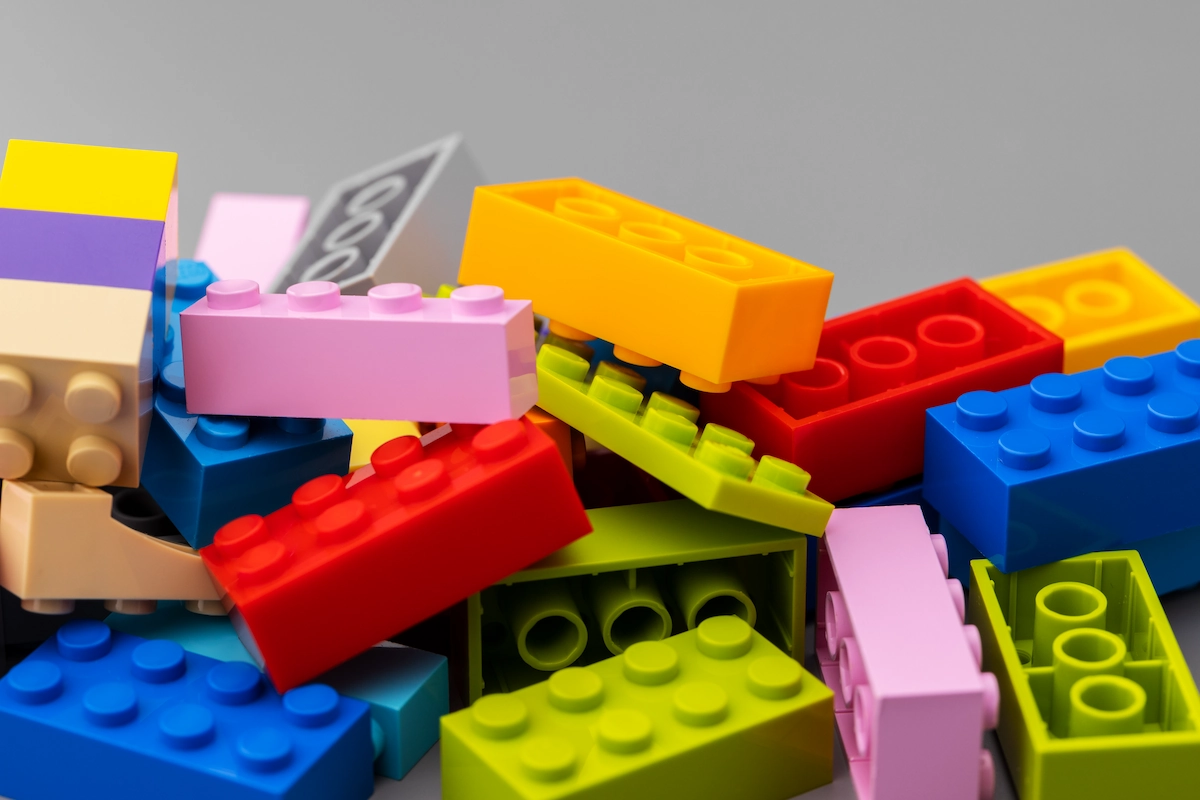
ABS is an amorphous polymer made from three types of monomers, which are acrylonitrile, butadiene, and styrene. Acrylonitrile Butadiene Styrene is known for its strength and durability, making it widely used across various industries, including automotive and consumer goods.
The acrylonitrile component provides high thermal and chemical stability, while the butadiene content contributes to the material’s strength. Meanwhile, styrene gives ABS plastic a more aesthetic, glossy appearance and provides rigidity.
ABS plastic contains varying proportions of acrylonitrile, butadiene, and styrene depending on industry requirements. Generally, the plastic consists of 15–35% acrylonitrile, 5–30% butadiene, and 40–60% styrene.
ABS is produced using emulsion or continuous mass polymerization techniques. The material has the chemical formula (C₈H₈·C₄H₆·C₃H₃N)ₙ. When processed, ABS is ivory white. However, dyes and pigments can be added as needed.
Read also: Chandra Asri Group's Annual Report
Characteristics of ABS Material
ABS material has several characteristics that make it ideal for a wide range of applications, such as:
- Strong and durable.
- Resistant to chemicals.
- Can be manufactured using standard machines and methods, such as extrusion, injection molding, 3D printing, and blow molding, because it melts easily and can be shaped as needed.
- Impact-resistant.
- Highly rigid with excellent insulation properties.
- Attractive appearance.
- Lightweight.
- Good tensile strength and abrasion resistance.
- Mechanically strong and stable over time.
- High surface gloss.
- Corrosion-resistant.
- More affordable because it is easy to manufacture.
- Easy to recycle.
Despite these characteristics, this plastic material has some limitations. ABS has relatively low resistance to weathering and prolonged exposure to sunlight, is flammable and will continue to burn even after the flame is extinguished, is prone to scratching, and has limited resistance to solvents.
Even so, you can improve ABS properties by adding additives or adjusting the proportions of its three main components. For example, to improve sunlight resistance, you can add a UV stabilizer. You can also reinforce ABS with fibers or minerals to increase its rigidity and impact resistance.
You can also blend ABS with other thermoplastics, such as polyamide and polycarbonate. ABS/polycarbonate (ABS/PC) blends are commonly used in electronic components and automotive parts that require heat resistance, ease of processing, and lightweight properties.
Read also: What Is High-Density Polyethylene (HDPE) Plastic & Its Uses
Applications of ABS Material

ABS is a versatile industrial material used for a wide range of manufacturing needs. Some of its applications include:
- 3D printing products.
- Computer keyboards.
- Musical instruments.
- Light fittings.
- Light switches.
- Automotive components, such as car dashboards.
- Machine components.
- Suitcases.
- Refrigerator panels.
- Children's toys, such as building blocks.
- Medical equipment.
- Helmets and personal protective equipment.
- Chairs and tables.
- Pipes and hoses.
Industrial Chemical Solutions for Manufacturing Processes from Chandra Asri Group
Plastics and chemicals are essential raw materials in various manufacturing processes. To ensure product quality, you also need to use high-quality raw materials.
Chandra Asri Group is a leading chemical, energy, and infrastructure solutions company in Southeast Asia, providing a wide range of chemicals, including polyethylene, polypropylene, caustic soda, and more.
As #YourGrowthPartner, Chandra Asri Group also supplies butadiene and styrene monomer as raw materials for Acrylonitrile Butadiene Styrene (ABS). Our Singapore-based subsidiary, Aster, also provides industrial chemicals, including styrene for ABS production.
Explore our high-quality products and contact us today to get the best offer!
Discover more: Food-Grade Plastic: Learn About Its Characteristics & Types

What Is Industrial Waste, Types, & Impact on the Environment

Get to Know Downstream Processing in the Petrochemical Industry
