

04-10-2026
10 Automotive Raw Materials and Their Manufacturing Processes
By Chandra Asri Group Editorial Team
Key Takeaways:
- The automotive industry relies heavily on raw materials, which serve as both the foundation for vehicle bodies and internal components.
- The automotive industry uses aluminum, plastic, rubber, glass, fiberglass, steel, and other synthetic materials.
- Manufacturing automotive products involves a lengthy process, from planning to assembly.
The automotive industry relies on synthetic materials, from metals to plastics. This industry combines durable and versatile materials to form vehicle components. In this article, you will learn about the automotive raw materials and their manufacturing processes.
Automotive Raw Materials
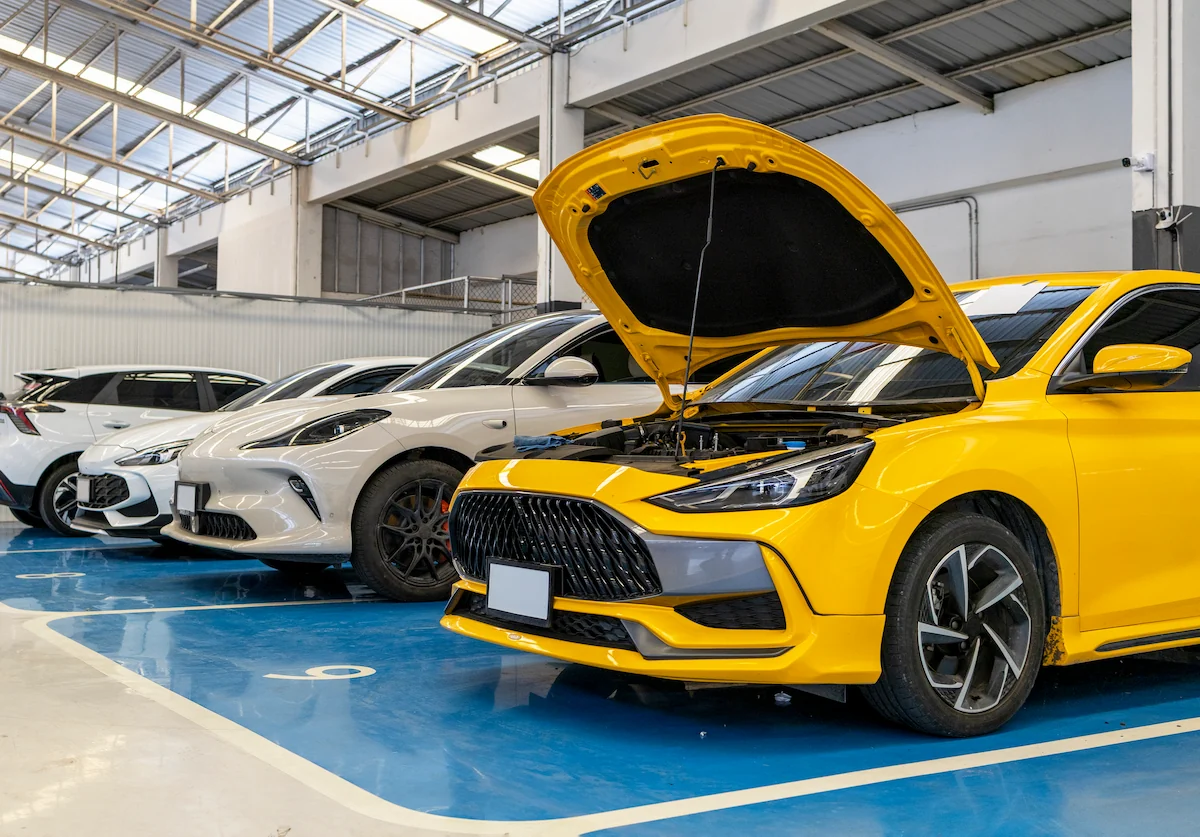
The primary automotive raw materials are glass, plastic, steel, rubber, and aluminum. These materials are used as needed, with proportions adjusted accordingly.
Glass is chosen for its transparency, while aluminum is chosen for its light weight and corrosion resistance. Meanwhile, petroleum products serve as the base materials for plastics and rubber, which are later shaped into specific components. In addition to the main materials listed above, here are some other raw materials found in vehicles:
1. Steel
Steel is the most commonly used raw material in the automotive industry and often accounts for a large share of a vehicle’s weight. This material is typically found in engines, panels, and vehicle frames. Although it’s heavy, steel absorbs impacts well and provides optimal structural support for the vehicle.
2. Aluminum
This material is the second most commonly used raw material in the automotive industry. Aluminum is generally used in vehicle panels, transmission housings, and wheel frames. Made from bauxite and alumina, it is chosen for its ease of forming and light weight.
In some cases, aluminum can even replace steel and iron because it is lighter yet has strength nearly equivalent to steel, a better strength-to-weight ratio, and superior corrosion resistance compared to steel.
3. Fiberglass
Fiberglass, a composite made of glass fibers and resin, is typically used to produce hoods, car doors, and bumpers. Fiberglass is chosen because it is rust-resistant and lightweight, making it suitable for exterior vehicle components.
4. Plastic
In addition to steel and aluminum, plastic is also one of the most commonly used raw materials. The industry relies on plastic because it is strong, easy to mold, lightweight, and more affordable. It is used to make switches, vents, and various internal vehicle components. Common types of plastic used in this industry include polypropylene and others.
5. Cobalt
This material is often used in electric vehicles, particularly Battery Electric Vehicles (BEVs) and Plug-in Hybrid Electric Vehicles (PHEVs). Cobalt is used to manufacture lithium-ion batteries for both types of vehicles.
6. Rubber
Rubber is a raw material for durable tires due to its flexible and malleable nature. Rubber is also used to make wiper blade seals, internal hoses, belts, and engine mounts. The type of rubber used is butadiene.
7. Copper
Copper has good electrical conductivity, so it is frequently used in a vehicle’s electrical systems. It can be found in electrical wires, electronic devices on the dashboard, and the car’s starter motor.
8. Glass
Along with fiberglass, the automotive industry also uses glass for car windows, windshields, and rearview mirrors (side and middle). It is found in almost all types of vehicles, including electric and gasoline-powered vehicles.
9. Nickel
Nickel is a component in lithium-ion batteries used in electric vehicles. It is widely chosen for its corrosion resistance and durability.
10. Magnesium
Magnesium is lighter than aluminum and steel, so it is used in areas where weight reduction is needed, such as in parts of a car’s structure.
Manufacturing Processes in the Automotive Industry
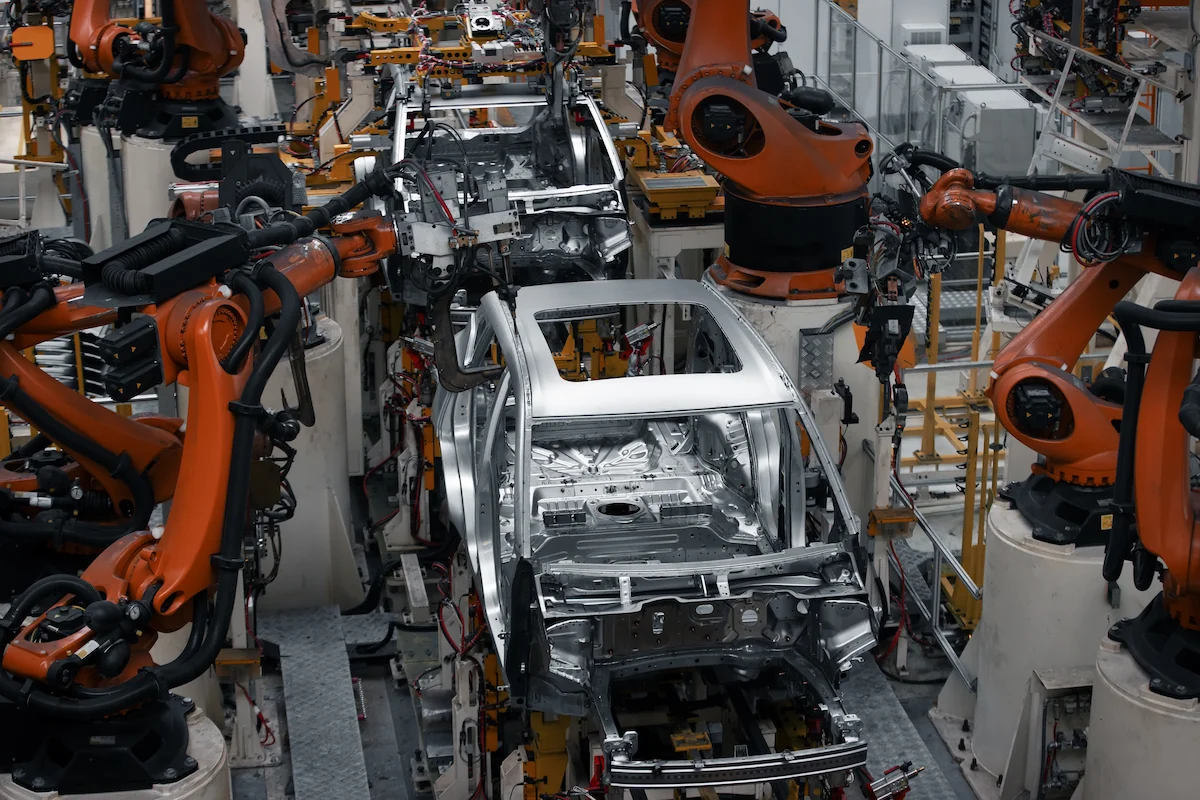
The vehicle manufacturing process in the automotive industry involves fairly complex stages. Broadly speaking, the process includes planning, component casting, forging, cold stamping, welding, heating metal components, and assembly. Here is a detailed explanation:
- Planning: Designers and engineers determine the design, raw materials, and specifications of the vehicle, with the level of process complexity varying based on the project’s scale.
- Casting: Molten metal is poured into a mold to form specific components.
- Forging: This process shapes metal according to the design. It determines the strength and dimensional accuracy of vehicle components.
- Cold stamping: This process shapes metal sheets at room temperature using a press to produce panel components, such as a car body.
- Welding: This process connects two metal components using pressure and heat until the two metals fuse permanently.
- Heating metal components: Metal is heated and cooled to meet the desired specifications. One example of a metal heating technique is tempering, which involves reheating a hardened metal to a temperature below its critical point for a specific period of time, followed by controlled cooling. This technique stabilizes the metal and prevents fracture.
- Assembly: The collected components are assembled using connectors to form a complete vehicle.
Find Automotive Raw Materials at Chandra Asri Group
The automotive industry relies on synthetic materials in most of its processes. From plastics to rubber, this industry ensures that every material used meets production standards to support vehicle specifications and performance.
If your company operates in the automotive industry, always get automotive raw materials from a trusted supplier. Chandra Asri Group, as a leading chemical solutions provider in Southeast Asia, offers a wide range of high-quality chemicals for various industries, such as butadiene, styrene monomer, polyethylene, and many more.
Our chemical solutions are also supported by Aster, our Singapore-based subsidiary that operates an ethylene cracker with a capacity of 1.1 million metric tons and manages a refinery with a capacity of over 237,000 barrels of crude oil per day. Some of the main chemical products from Aster include propylene, styrene, HDPE, and others.
Meet your automotive raw materials needs with us today! Consult with us about your company’s needs and make us your #YourGrowthPartner!
Frequently Asked Questions (FAQ)
Here are some frequently asked questions about the automotive industry:
1. What are the stages of the automotive manufacturing process?
The stages of automotive manufacturing may vary depending on each company’s policies. Generally, the manufacturing process in this industry includes planning, component molding, forging, cold stamping, welding, heating metal components, and assembly.
2. How do you manage the automotive industry?
To manage the automotive industry, you must carry out business planning, product and technology development, vehicle production, and product maintenance.

Blow Molding: How It Works, Types, and Materials Used

Customs Clearance: Steps, Documents, and Inspections
